01How to actually sell a home in Centennial
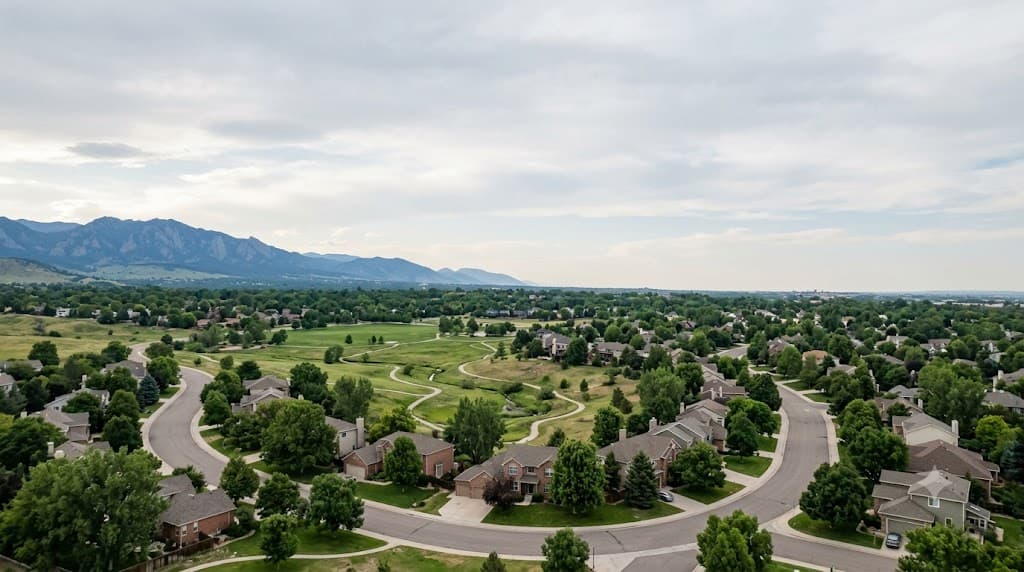
Centennial is a young city wrapped around mature neighborhoods — it only incorporated in 2001, in one of the largest incorporations in American history, but the streets it governs were built decades earlier and have been raising families ever since. That combination shapes every sale here. The buyer pool is stable, school-driven, and remarkably well-informed; the housing stock is largely 1970s and '80s with pockets of '90s master-planning out east; and the city itself runs lean and quiet, leaving neighborhoods and their associations to define daily life. Selling well in Centennial means treating your neighborhood — not the city — as the market. A split-level in Willow Creek, a ranch in The Knolls, and a colonial in Piney Creek compete on different maps against different rivals. I start every listing by drawing that map precisely, because I hold both the real estate and mortgage licenses, and the second license keeps me focused on the question that decides everything: which buyers can actually perform on this house, and what will their lender need to see?
02The invisible line down the middle of the city
Run your finger down a map of Centennial and you'll cross a boundary no sign announces: the west side feeds Littleton Public Schools, the east side feeds the Cherry Creek district. Buyers here don't need the sign — they arrive knowing which feeder pattern they want, sometimes which elementary school, and they filter listings accordingly. For sellers this is enormous, and strangely underused. A home in The Knolls or Heritage Greens isn't just a house; it's a seat at Arapahoe High. A home in Homestead or Willow Creek is a place in the Cherry Creek feeder that certain families have been watching for months. When I list a Centennial home, the district story goes in the opening lines, the photography supports it, and the price reflects what a seat inside that boundary is genuinely worth. And when a home sits near a line — or in a pocket buyers misunderstand — we get the facts precise before someone else gets them wrong on our behalf.
03Selling a house from the seventies in a city that loves them
Most of Centennial was built in one long wave — ranches and split-levels in the early years, brick two-stories through the '80s — which means most sellers here own a house with history in its bones. The instinct is to apologize for that with a rushed remodel. The market says otherwise. Buyers in these neighborhoods know this housing stock from childhood; what they punish isn't age, it's uncertainty. A sixty-amp panel question, a roof of unknown vintage, a furnace nobody can date — those erode offers far faster than an original bathroom does. So my preparation work runs on a simple rule: spend effort where doubt lives. Service the systems, document what's been done, brighten what's easy, and let the true-to-its-era character stand. The renovated-to-flip look is everywhere; a well-kept original with a clean mechanical story is scarcer than you'd think, and the right buyer treats it as a canvas rather than a compromise.
04Swim clubs, covenants, and the paperwork your buyer's lender will read
Centennial's neighborhoods were built around belonging — swim and tennis clubs in Homestead and Willow Creek, the resident-owned pool culture of the west side, associations that still run parades and fall festivals. As a seller, that community is one of your strongest assets and one of your quiet obligations. Buyers fall for the amenity photos; their lenders read the association's budget, insurance, and covenant enforcement with a colder eye, and surprises found there stall contracts late, when stalls cost the most. My listing preparation includes assembling the association file the way an underwriter will want it — financials, covenants, any special assessment history — before the first showing. Neighborhoods like Foxridge, where the association is voluntary, get the opposite treatment: we make the freedom itself part of the positioning. Either way, the community story gets told on purpose, with documents to back it.
05Buyer's agents, school maps, and the post-2024 conversation
The national commission changes of 2024 landed differently in Centennial than almost anywhere else, because of how buyers get here: through agents who specialize in school-boundary searches. These agents do real, patient work — tracking feeder patterns, watching specific streets for months, coaching families through tight competition — and after 2024, what they're paid stopped being automatic and became part of each transaction's negotiation. That puts a strategic question in every Centennial seller's lap: how do you want your listing to sit in the eyes of the agents steering boundary-driven buyers? There's no universal answer. A scarce address inside a hunted feeder can hold a firmer line than a home competing against four similar listings. What I owe you is the full decision, laid out with real figures for your specific sale, before you endorse the listing agreement — because this is now a lever that moves your net, and levers shouldn't move by default.
06The Tech Center next door: sell the commute you already own
Centennial sits directly against one of the region's densest job centers — the Denver Tech Center corridor climbs I-25 along the city's western flank, and tens of thousands of people work there, from global company headquarters to the offices above the light rail stops. Many of them would rather not live far from work, and Centennial is the answer they keep arriving at. If your home shortens that commute — Walnut Hills with the Dry Creek Station on its edge, The Knolls a straight shot up University — that convenience deserves to be marketed as concretely as a finished basement. Minutes to the station. The realistic morning drive. The bike route along the Big Dry Creek Trail. Commuters do this math anyway; a listing that's already done it for them reads like relief. And the DTC buyer is a strong buyer: employed, financeable, and often on a timeline that makes them decisive.
07Leaving and landing: the two-sided Centennial move
Almost nobody sells a Centennial home into a vacuum. The sellers I meet here are landing somewhere specific — a townhome near The Streets at SouthGlenn after the kids launch, a bigger place two boundaries over, a patio home that finally retires the lawn mower. Which means almost every Centennial sale is secretly two transactions, and the industry's standard offer is to staff them with strangers to each other. I built my practice to refuse that split. As your agent I know what your sale will actually net; as your mortgage broker I know what your next address requires from that figure; and holding both roles, I can sequence the two so the timeline serves you instead of terrifying you. Sellers ask me constantly whether they should list first or buy first. My answer is always the same: that's not a philosophy question, it's a math-and-calendar question, and you deserve someone who can see both sides of the equation before you commit to either.
08The returner buyer: selling to someone who already knows your street
Centennial has a buyer species most cities would envy: the returner. Local agents describe it plainly — parents downsize out of neighborhoods like Willow Creek, and the children who grew tall on those greenbelts come back as adults to buy in. For a seller, the returner changes the pitch entirely. This buyer doesn't need convincing about the swim club or the parade or the school feeder; they need to believe your particular house has been kept the way the neighborhood deserves. Maintenance records persuade them. Original owners impress them. A home that clearly participated in the street's life — not just occupied it — pulls at something a spreadsheet can't measure, and their offers show it. When I market in Centennial's legacy neighborhoods, I write for two readers at once: the newcomer discovering the area, and the returner who's been quietly watching it for years. The second reader is often the stronger buyer, and almost nobody writes listings for them. We do.