01How to actually sell a home in Vail
Vail is one town with a dozen micro-markets. A lodge residence on Bridge Street, a 1970s townhome in East Vail, and a creekside condo in Intermountain sell to different buyers, through different financing, on different calendars — and treating them as one 'Vail market' is how properties end up sitting. My process starts with placement: which of Vail's neighborhoods you're in, what your building or street actually is, and who realistically buys it — the international second-home owner, the Front Range weekender, or the valley local. From there we build preparation, pricing, and marketing around that specific buyer. I live and work in this valley, I hold both the real estate and the mortgage licenses, and I've built the process for how Vail actually transacts: often remotely, usually through an association, and always against sophisticated competition.
02Selling a home that's empty most of the year
Most Vail homes sit dark for much of the year — that's the nature of a second-home town, and it changes how selling works. An unoccupied property develops tells: stale air, seasonal wear nobody witnessed, a hot-water heater that quietly aged out. Buyers touring a resort property read those tells as risk, and risk shows up in their offers. The absentee seller's answer is a local operator with full authority — someone to walk the property before every showing, manage the punch list, meet the photographer in the right light, and handle the surprise pipe in February without a panicked phone call to another time zone. That's the service I built for out-of-state owners: you make the decisions, I do the physical work of selling, and the property presents like someone loves it — because someone on the ground does.
03The association is half your sale: condos, lodges, and lender files
The majority of Vail's housing is attached — condominiums, lodge residences, townhomes — which means the majority of Vail sales are really two sales: your unit and your building. Buyers' lenders pull the association apart before they fund anything: budget, reserves, insurance, how many units rent nightly, whether a front desk operates. Buildings that read like hotels to an underwriter narrow the financing options, which narrows the buyer pool, which should inform the price — before listing, not after a collapsed contract. This is where holding both licenses pays for the seller: I read your association's file the way the buyer's lender will, assemble the documents in advance, and price for the buyer pool that can actually perform. The sale you avoid losing deep into a contract is worth more than any marketing flourish.
04The resort calendar is your marketing department
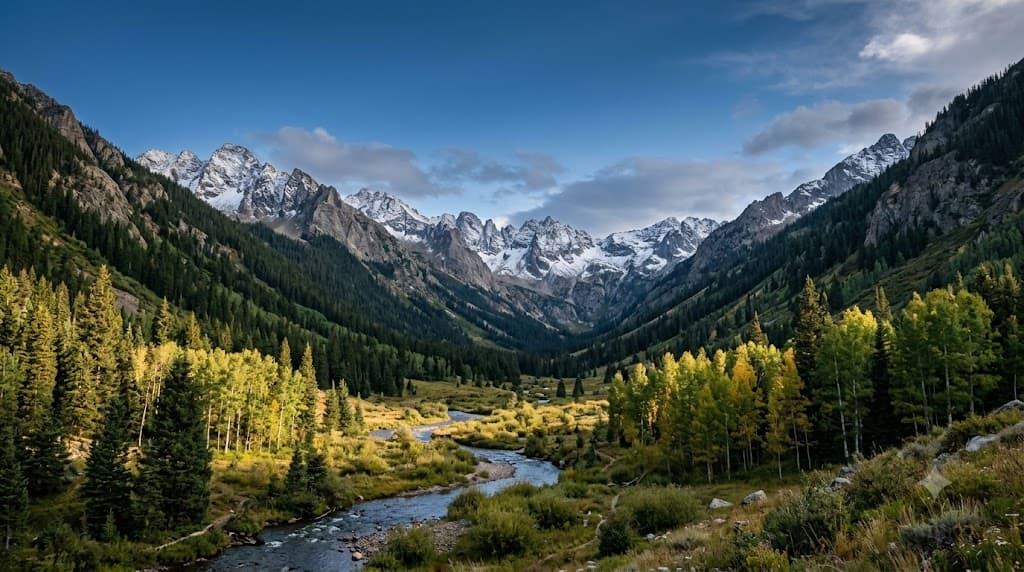
Vail does your staging twice a year. In summer, the amphitheater is full, the Betty Ford Alpine Gardens are in bloom, the Gore Range is out, and every showing comes with the town at its best. In winter, the product is the mountain itself, and buyers arrive pre-sold on the life. Between those peaks are the shoulder seasons, when the town exhales and showings need more imagination. None of this dictates when you must sell — it dictates how we present. Listing photography gets shot when your property's season looks strongest. A ski-in address leans winter; a creekside East Vail retreat sells hardest in July. We time the launch, the imagery, and the pricing conversation to the calendar Vail already runs, and let the town do what it does better than any brochure. And if your property's strongest season is months away, that's not a delay — that's the plan working: we use the runway for preparation and documentation, so the listing arrives complete on the day the town starts selling it for us.
05Rental rules and deed restrictions: know what your buyer is buying
Two policy realities shape Vail sales, and smart sellers get ahead of both. First, short-term renting requires a town license, and the rules differ by how the property is operated — so 'can I rent it?' is usually the first question a buyer's agent asks, and your listing should already know the answer for your specific property. Second, Vail runs one of the more creative local-housing efforts in the mountains — the InDEED program buys deed restrictions to keep homes in local hands — so some properties carry restrictions that define the buyer pool. Neither is an obstacle; both are targeting information. A property with unrestricted rental flexibility markets one way, a deed-restricted home markets to the valley's workforce another way, and confusing the two audiences wastes your listing's strongest weeks. We establish exactly what a new owner can do with your property, then aim the marketing at the people who want precisely that.
06The 2024 commission changes in a global buyer market
In Vail, the 2024 commission changes meet a variable no commuter suburb has: your buyer might come from Dallas, Mexico City, or two blocks away, and their agent may have spent months getting them here. What the buyer's side earns is now decided sale by sale, and that decision interacts directly with how aggressively the resort's agent community works your listing. There's no formula answer — a Potato Patch estate and an Intermountain condo warrant different strategies — but there's a required conversation, and you should refuse to endorse a listing agreement with anyone who won't have it in plain figures. My version: here are the approaches, here's what each does to your bottom line, here's what I recommend for your property and why. You decide with everything in front of you.
07The local's exit: from Vail to down-valley, on one timeline
Not every Vail seller is a second-home owner. The valley's working residents sell here too — the Intermountain condo that funded a first step, the West Vail duplex that got small when the family got big — and most of them are moving down-valley to Edwards, Eagle, or Gypsum, where the same money buys more house and the commute stays sane. That move lives or dies on sequencing: rentals in this valley are scarce enough that 'sell now, figure the rest out later' is a genuinely risky plan. This is the exact situation my dual license was built for. I know what your Vail sale will net before we list, I know what your down-valley purchase requires from that number, and I run both transactions on one timeline so you move once. One valley, one team, one move — and the gap that scares most sellers becomes a schedule instead of a gamble.
08Selling to a buyer you may never meet in person
A meaningful share of Vail buyers make their decision from somewhere else — a first tour by video from another state, a second visit squeezed into a ski weekend, an offer written from a different time zone. Selling to that buyer is a different craft. The listing has to carry the full weight of the property remotely: photography shot in the property's best season, floor plans that answer the questions a walkthrough would, and documentation — association file, condition history, rental status — organized so a serious remote buyer can get comfortable without three trips. Then the transaction itself has to run clean across distance, with signatures, inspections, and timelines coordinated between parties who may never stand in the same room. I've built my process for exactly this, because in Vail it isn't the exception — and here's the seller's payoff: the remote buyer who's been given certainty at every step is very often the strongest buyer in the pool, precisely because everyone else made them feel like a complication. Your listing should make them feel like the plan.