01How to actually sell a home in Minturn
Minturn is the valley's control group — the town that shows you what Eagle County was before the resorts, still operating in original condition. It incorporated in the railroad era, kept its Main Street when the trains left, and now sits improbably between two of the most famous mountains in North America while remaining, stubbornly and gloriously, a town rather than a destination. Selling here demands a different discipline than anywhere else in this valley. The housing stock is old, scarce, and full of stories; the buyer pool is small, informed, and allergic to resort marketing; and the community pays attention to who moves in. I live and work here in the valley, I hold both the real estate and the mortgage licenses, and I treat a Minturn listing as what it is: the transfer of a piece of a real town, run with the precision of a resort-grade transaction and none of the costume.
02The bones of a railroad town: what your buyer is really inspecting
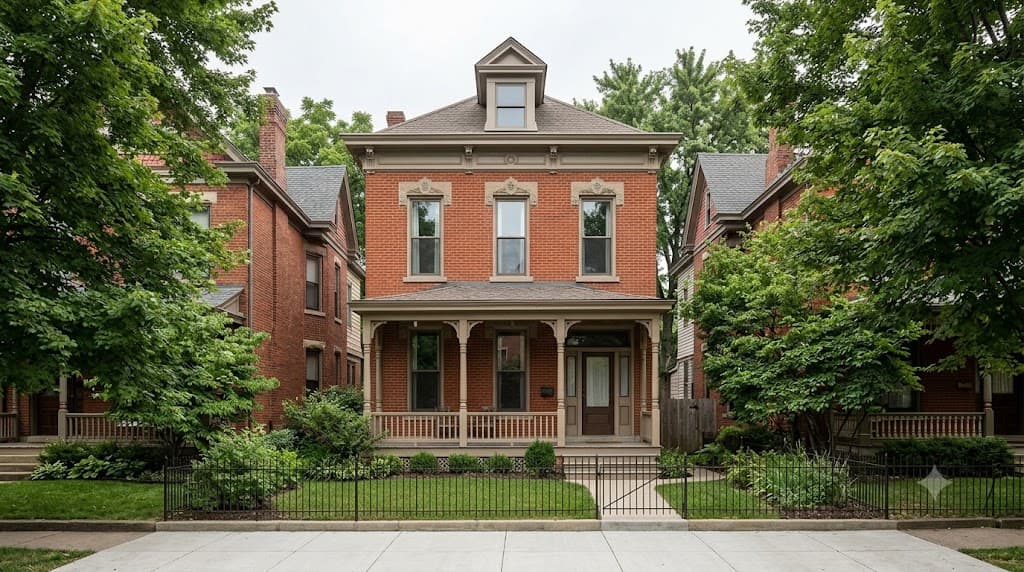
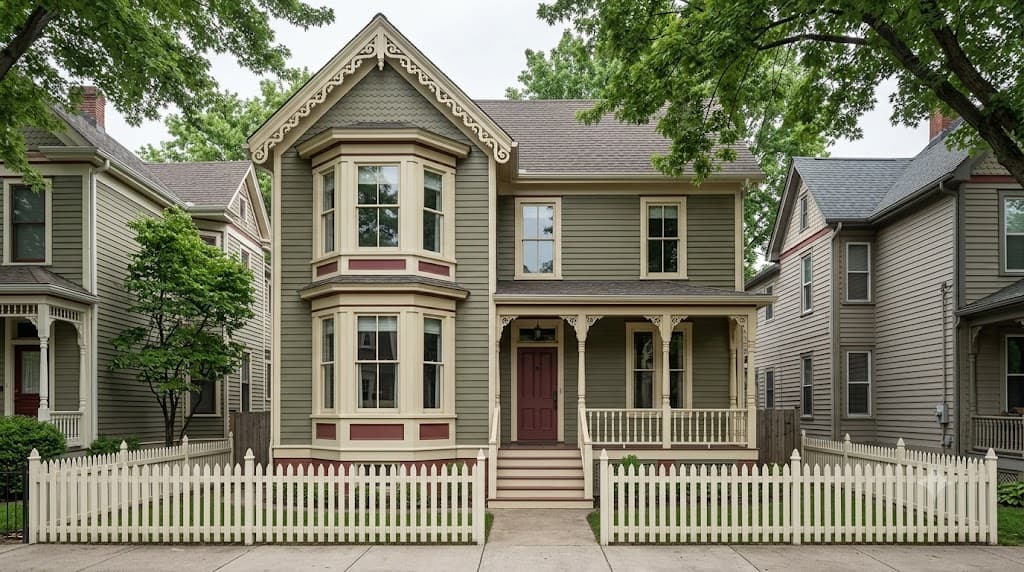
Minturn's housing began as worker housing — homes built for the people who ran the yard, added the helper engines, and worked the pass. That origin is now the town's charm and its diligence profile in equal measure. A century-old home here may carry original framing that outclasses anything modern, alongside systems that predate every code a young inspector has read. The selling strategy is to own that duality before the buyer's team discovers it: document every update with dates and invoices, scope the sewer lateral and service the mechanicals, and make the deliberate call — as-is for the restorer, or targeted work for the move-in buyer — with projections for each path. Minturn's buyers arrive expecting age; age is why they came. What changes their offer is whether the age comes narrated or mysterious. A documented century reads as provenance. An undocumented one reads as risk. The difference between those two readings is most of the negotiation.
03Pricing in a town where almost nothing sells
Some years, the homes that change hands in Minturn number about what a single Front Range cul-de-sac turns over in a season — and that scarcity warps pricing logic in both directions. Sellers hear it as a green light: no competition, name your figure. Buyers experience it as vigilance: they've watched this town for years, they know every sale by address, and they recognize instantly when a listing prices the fantasy instead of the property. The working method is triangulation. The valley's broader market sets the gravitational field; your home's condition, lot, and story set its position within it; and the depth of the specific pool hunting Minturn right now sets the tension on the line. I build that triangulation openly and show the reasoning, because in a market this thin, credibility is a pricing tool — the listing whose logic is visible draws serious buyers into engagement, while the listing priced on wishes simply teaches the town's small audience to wait.
04The saloon, the market, the Mile: marketing a town that markets itself
Minturn's institutions do more selling than any brochure could. The saloon at the end of Main Street has anchored the town for over a century and famously catches skiers spilling off the backcountry route from Vail. The Saturday market fills the street each summer with decades of tradition behind it. The amphitheater at Little Beach hosts concert evenings that feel borrowed from a gentler era. The trailheads — Game Creek, Cross Creek, the routes toward the wilderness — start where the sidewalks end. When I list a Minturn home, these aren't background color; they're the comparables that matter. The listing names your home's actual relationship to each: the walk to the market, the porch's distance from the stage, which trailhead your dog thinks is family property. Buyers here are purchasing membership in this specific pattern of life. Show them their place in the pattern, precisely, and the house becomes the means to something they already wanted.
05When a town sells a handful of homes a year: 2024, Minturn edition
The 2024 rules made buyer-agent compensation an explicit decision on every sale, and most markets have since developed local conventions. Minturn transacts too rarely for convention — each sale is nearly its own precedent, which hands sellers here an unusual degree of freedom and an unusual need for judgment. The agents who bring buyers to Minturn are typically valley agents whose clients asked specifically for this town, meaning the demand is pre-qualified in a way suburban traffic never is. That argues one direction. The counterweight: with so few transactions, an unattractive structure can't hide in the noise — it lands on the only listing in town and gets discussed. There is no formula, and anyone who claims one is importing it from a market that doesn't resemble this one. What I bring instead is the inside view: which agents actually work this town, what their buyers have asked for, and projections for each structure against your specific sale — all laid out before you endorse the listing agreement.
06Plain talk: the history a Minturn listing should volunteer
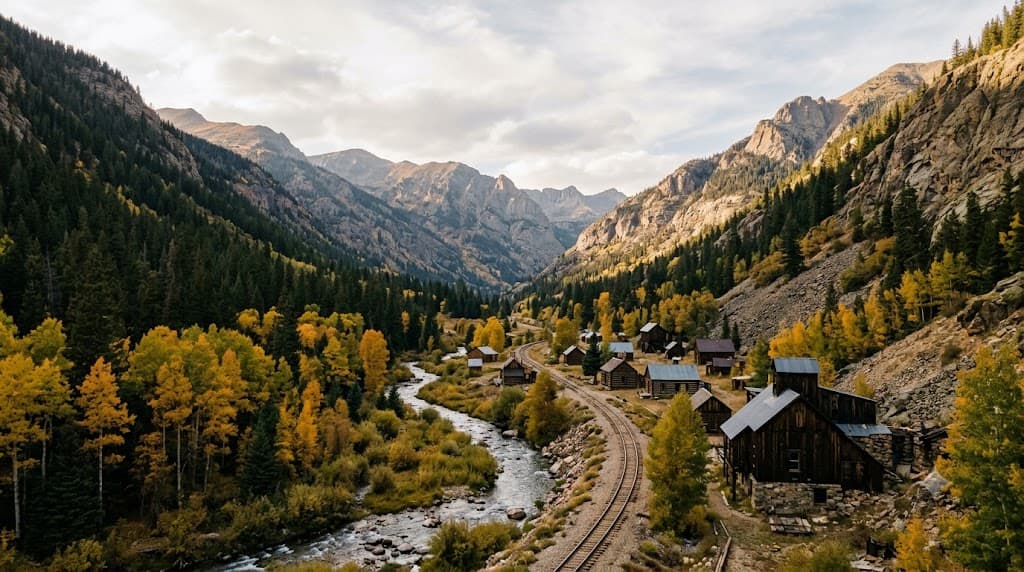
Every old mountain town has edges, and Minturn's sellers do best by naming theirs before buyers find them framed less kindly online. South of town, the highway climbs past the fenced ghost town on Battle Mountain — a relic of the mining era that shaped this valley, long closed and off-limits, part of the region's industrial story and fully separate from the town's neighborhoods. The rail corridor through town has been dormant for decades, its future perpetually discussed and never resolved; buyers should hear that from your listing, not a forum thread. A reservoir project south of town moves slowly through its approvals, its timelines shifting as such projects do. None of these are secrets and none are threats — they're the texture of a real place with a real past. The seller who volunteers the context calmly owns the narrative and reads as trustworthy. In a town whose entire value is authenticity, the disclosure style should match the product.
07Staying, going, and the helper engine both require
Minturn sellers split into two journeys, and both need the same machinery. The leavers — the estate settling across state lines, the family finally cashing a long hold — need a sale run entirely from here: preparation, showings, inspections, and the hundred physical details handled by someone local while decisions travel by phone. The stayers face the harder puzzle: selling into a town where the next house may not exist yet, which demands a buyer negotiated for timeline flexibility, financing pre-built to strike when the rare listing surfaces, and nerves managed by evidence rather than hope. I run both journeys with both licenses — the sale as your agent, the next loan as your mortgage broker, one calendar between them — and I run them from inside this valley, where I can stand on your porch the same afternoon something changes. The railroad's old lesson still holds in this town: the steep sections are exactly where you couple on more power, and exactly where you want one operator running the train.
08A town without a high season: why readiness beats timing in Minturn
The resort towns run on a schedule — list for the winter crowds, stage for the summer crowds, ride the calendar. Minturn doesn't work that way, and sellers who wait for a mythical high season here mostly just wait. This town's buyer arrives on their own clock: the family that finally decided the valley's real town is worth the hunt, the skier who's been watching for a Taylor-grid listing for three winters, the angler who wants the river within earshot. Scarcity means you cannot schedule them — you can only be ready when they surface. So my Minturn playbook inverts the resort logic: preparation runs continuously rather than seasonally, the documentation is finished before the listing breathes, photography is banked in the property's best light whenever that light happens, and the launch fires when the home is genuinely complete. In a market where a single ready buyer can be the whole market, readiness isn't a virtue. It's the entire strategy.