01How to actually sell a home in Eagle
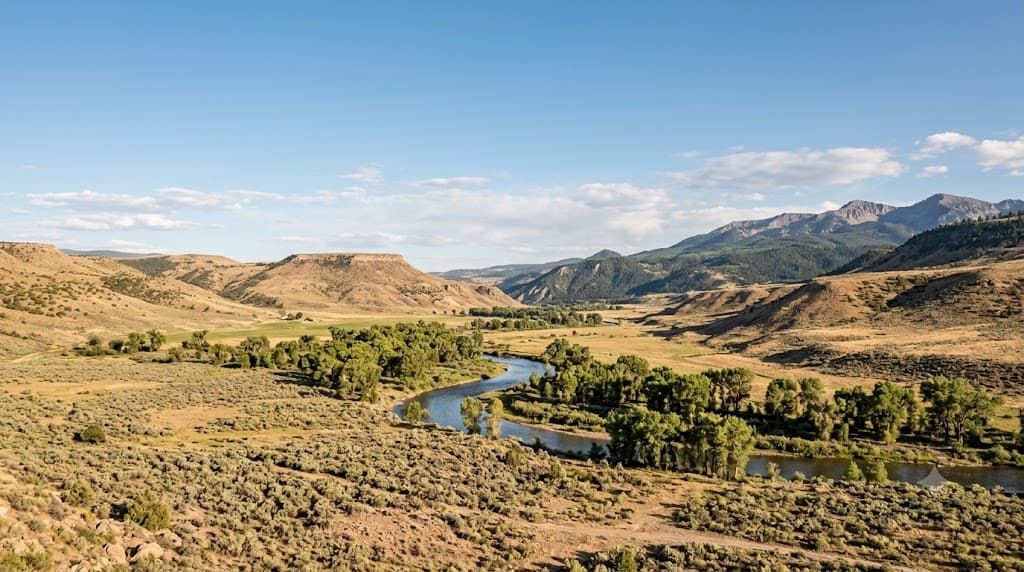
Eagle is the county seat and the down-valley town that figured out how to be its own place — a working community with a historic Broadway core, a master-planned golf neighborhood, new workforce housing rising along Brush Creek, and ranch acreage running south toward Sylvan Lake. Those are different products for different buyers, and selling well here starts with naming which one you own. A front-porch home in Eagle Ranch sells on neighborhood life; a Victorian near Broadway sells on character and walkability; an acreage property up Brush Creek sells on land, water, and systems. I live and work in this valley, I hold both the real estate and mortgage licenses, and my first job on any Eagle listing is matching the property to its true buyer — because in a town this practical, the wrong story at the wrong price just teaches buyers to wait.
02Your buyer works here — sell accordingly
Eagle's demand comes overwhelmingly from inside the valley: households that work up-valley in the resort economy and want more house, more sun, and more normalcy than the resort towns offer. That buyer is a gift to a well-prepared seller, because they're motivated, educated, and genuinely need housing — the valley never has enough. But they're also unsentimental. They know what new construction costs in Haymeadow, they know what sold on their street, and they compare everything against Gypsum's value proposition next door. The listing that wins them is documented, sensibly priced, and positioned around what Eagle does best: real neighborhoods, real trails, a real downtown. The listing that loses them is priced for a fantasy buyer from somewhere else — a buyer who, in Eagle, mostly doesn't exist.
03Two generations of master plan: what Eagle Ranch and Haymeadow mean for your sale
Eagle's housing story is bookended by two master-planned communities. Eagle Ranch, built out from the late 1990s in a New Urbanist pattern around the Palmer-designed public golf course, set the template: walkable streets, front porches, trails to everything. Haymeadow is the new chapter — compact neighborhoods rising along Brush Creek with cottages, townhomes, and workforce housing. If you're selling inside a planned community, the community itself is part of your product: design guidelines, association documents, and amenities all get weighed by your buyer and their lender, so we assemble that file before listing rather than during a contract. And if you're selling an older home downtown or on acreage, new construction is your visible competition — which makes clear-eyed positioning and disciplined pricing more valuable, not less. Either way, the master plans tell us exactly what your buyer's alternatives cost them, and we price with that knowledge instead of against it.
04Selling a deed-restricted home: rules, yes — but also a waiting buyer pool
Eagle County has worked hard to keep some of its housing in local hands, and that means a meaningful slice of homes in and around Eagle carry deed restrictions — resale terms administered through the county's housing program. Sellers sometimes hear 'restriction' and assume 'problem.' In practice it's a different sale, not a worse one: the buyer pool is local by definition and chronically underserved, the process has extra steps and approvals, and the marketing aims at the valley's workforce rather than the open market. What matters is running the transaction by the program's rules from the start — the timeline, the eligibility, the paperwork — so nothing stalls late. And because the buyer pool is local wage-earners, financing readiness matters double: holding the mortgage license, I can see early whether a prospective buyer's loan actually fits the program's structure, before anyone's under contract and counting on it. I've built all of that into my process, and for restricted sellers the result is the same thing every seller wants: a qualified buyer, a clean transaction, and a signing day that arrives on schedule.
05Broadway, the river park, and the singletrack: market the life, not the square footage
Eagle's buyers are buying a very specific life, and your listing should prove your home delivers it. This is a town with a whitewater park on its own river, a bike park and a trail network that draw riders from across Colorado, a rodeo tradition that goes back generations at the fairgrounds along the Eagle River, free summer concerts in Town Park, and a Broadway that still looks like the ranching town it was. When I market an Eagle home, those aren't decoration — they're the argument. Which trailhead can you pedal to without loading the truck? How far is the river park on a summer evening? What does Saturday look like from this porch? Buyers who can picture their week here stop comparing your home to the one in Gypsum on price alone — and that shift is worth more than any staging budget.
06The 2024 commission conversation, down-valley edition
Since 2024, buyer-agent compensation is negotiated in the open on every transaction, and in a local-buyer market like Eagle the strategy deserves real thought. Your buyer's agent is likely a valley agent who will absolutely steer clients toward listings that make sense for them to show — and your compensation decision interacts with your price, your property type, and how much competition you're facing from new construction. A deed-restricted townhome, an Eagle Ranch family home, and a Brush Creek acreage property each call for their own approach. Before you endorse the listing agreement, I put the options in front of you with what actually lands in your account under each — plainly, on paper. You make the call informed, and we build the pricing strategy around it rather than bolting it on afterward.
07The valley move: sell in Eagle, land wherever is next — on one timeline
Almost every Eagle sale is half of a bigger move: up-valley workers consolidating down, downtown owners moving to Eagle Ranch, Eagle Ranch families heading for acreage, retirees trading stairs for single-level. The other half of that move is where plans die — because the valley's rental market offers no comfortable place to wait, and because an agent who can't see your financing has no way to sequence the two transactions. This is the exact situation I hold both licenses for. I know what your sale will net before we list, I know what your next purchase requires from that number, and I run both on one timeline so you move once — whether the next address is in Gypsum, Edwards, or right here in town. One team for the sale and the next move isn't a slogan; in a valley this tight, it's the only structure that reliably works.
08The quiet second buyer: relocators landing at the airport down the road
Eagle's primary market is the valley's own workforce, but there's a second buyer worth naming: the relocator who found this valley on vacation and realized the regional airport in Gypsum makes it livable year-round. Remote and flexible workers, early retirees, business owners who fly for a living — for them, Eagle offers something the resort towns can't, which is a real town where the flight home is minutes away and the trailhead is closer than that. This buyer shops differently from the local: they compare Eagle against other mountain-west towns rather than against Gypsum, they lean hard on what they can verify from a distance, and they often carry strong financing. A listing positioned only for the valley buyer walks right past them. When your property fits — a downtown Victorian with character, an Eagle Ranch home with a view, acreage up Brush Creek — I build the marketing to reach both pools at once, because two genuinely different buyer types competing for one address is the healthiest pressure a seller can have.