
Representation side
Strategy conversation — your goals, your ceiling, your non-negotiables

Denver rewards prepared buyers and punishes hopeful ones. Walk in with your agent and your underwriting already on the same side of the table.
Denver is a city of a hundred markets wearing one name. A bungalow block in Platt Park, a new build past the airport, and a Cherry Creek townhome move at different speeds, attract different competition, and reward different offer strategies. Before you tour anything, take a few minutes with the person who would be writing both your offer and your loan.
The whole path from first conversation to keys — the process every purchase we run follows.
Two tracks, one set of hands — here is how a Denver purchase runs when your agent and your lender never have to call each other.
Strategy conversation — your goals, your ceiling, your non-negotiables
Pre-underwriting — a real underwriter commits before you tour
The search, filtered — every showing pre-screened against your actual file
Structure — the loan built around your ceiling, not your maximum
The offer, engineered — terms a listing agent can verify, not just read
Appraisal and conditions — handled by the person who wrote the offer
Negotiation with full information — the negotiator knows the loan file cold
Insurance bound early — no scramble in the final week
Walk-through and keys — nothing at the table is news
Clear to sign — the date you were promised
THE FULL CASE
The three-team problem, what representation really costs now, and how the financing side actually works — the whole argument lives on our Colorado home buying page.
Four Denver files. Different neighborhoods, different price pressure, same coordinated finish.
Illustrative examples based on typical Denver scenarios. Actual terms depend on credit, income documentation, and property specifics.

A first-time buyer kept losing bungalow bids to stronger offers — four times before she came in. Her file was fine; her offers read as hopeful. We ran pre-underwriting, set a ceiling she trusted, and rebuilt her offer so the listing agent could verify the financing behind it instead of taking a letter’s word for it.
The diagnosis: in Denver’s older-bungalow blocks, the winning offer is rarely the biggest number — it is the one the other side believes will reach signing day without drama.
Fifth offer accepted. No escalation panic. Keys in a neighborhood she had stopped letting herself want.

An engineer relocating for a job near the tech corridor had two weekends and no local team. We ran the consultation by video, put the field team on showings the day she landed, and had her loan structured and her insurance quoted before her return flight.
The diagnosis: relocation buyers lose to local buyers when their team assembles after they arrive. Assemble it before, and an out-of-state buyer competes like a native.
One trip. One offer. A lake-adjacent block she found on a Thursday and signed for before the weekend crowd saw it.

A family outgrowing their starter home wanted Wash Park and refused to rent in between. We opened their equity for the down payment, wrote the purchase with that strength behind it, and sequenced the two signing days so the moving truck made one trip.
The diagnosis: move-up buyers hiring separate professionals end up owning two houses or zero. Sequencing is the whole job, and sequencing needs one person watching both calendars.
Bought, then sold, weeks apart, on purpose. The old house sold empty and staged — for a stronger position than a lived-in listing.

A contractor with a thriving business and a tax return built to shrink it heard the same soft no from two banks. We moved his file to bank-statement documentation — the business as it actually runs — and had a full commitment before he toured a single Tennyson Street block.
The diagnosis: self-employed buyers do not have weaker files. They have files that need the right documentation path, chosen by someone who knows all of them.
Approved on the business he actually runs. Signed on a house with a garage big enough for the trucks.
FILE 05 · YOURS
Four files, four different doors in. Yours starts the same way every one of them did — one conversation about your numbers, your ceiling, and your timeline.
Denver payments carry Denver realities — reassessed property taxes, hail-priced insurance, and association dues that vary block to block. Count all of it, then set the ceiling you believe in.
Colorado-Specific Costs
CO avg: 0.55%
CO avg: $3,200/yr
$0 if none
Applied under 20% down
Maximum Purchase Price
$405,000
Based on 43% debt-to-income ratio
$329,000
36% DTI
$405,000
43% DTI
0.5% — drops at 20% equity
PMI shown at a representative rate. Your actual mortgage insurance depends on loan-to-value, credit score, location, and occupancy — we pull live MI quotes from the private insurers when we prepare your pre-approval. This figure gives you a working sense of the cost, not your final number.
12.3%
Down Payment
87.7%
Loan-to-Value
$355,000
Loan Amount
Comfortable range: $329,000 at $2,343/mo (36% DTI)
No credit impact · No obligation
We meet a lot of buyers who don’t realize the down payment isn’t the only cost of buying a home in Denver. Enter a few details for a general idea of your actual out-of-pocket cost — we’ll go through it in depth at your consultation.
Lender costs — The bank’s own charges to make the loan — the one place shopping the lender actually moves the number.
Third-party costs — Credit report, appraisal, title, recording, inspection — nobody negotiates these for you unless someone does.
Prepaids & escrow — Not costs — your own money, paid in advance. It comes back to you in ownership: timing, not price.
Working range $54,045–$56,055
Working range $50,875–$52,625 · underwriting waived + credit applied
Illustrative. Dual-representation savings depend on your transaction and written agreements — this shows the shape, not a quote.
Earnest money is your good-faith deposit to the seller when they accept your offer. It shows up as a credit line item on your final settlement statement — not an added cost.
Points are prepaid interest — cash at signing that buys your rate down. Money now for a smaller payment later. Which is why a low rate is never good news on its own: the question is what it cost to get there. Two lenders can quote the same loan and the cheaper-sounding one is often the expensive one, because the rate was bought down with your money and the points are sitting in the closing costs.
How you know whether points are worth it: divide what the points cost by what they save you each month. That is how many months it takes to get your money back. If you will sell or refinance before then, you paid for a rate you never kept long enough to use. I run that against how long you actually plan to hold the loan, and I compare rate and points together across lenders — the only way to see which quote is genuinely cheaper.
And the points do not have to be your money. A seller concession can be written to pay the buydown on your behalf — but only if someone asks for it in the offer, sized against what your loan program allows a seller to contribute, and structured so the loan actually applies it to the rate. That is one negotiation and one loan file, run by one person. It is the plainest thing this arrangement is for.
The waived underwriting fee above is not a promise you have to trust. It is zeroed in the lender portal, so it never appears on your Loan Estimate at all — read the document and check.
That is a planning number, not a quote. The exact figure comes from your file, not a form.

Denver taught me that buyers do not lose houses at the offer table. They lose them weeks earlier, when nobody made them ready. By the time the bidding starts, the prepared buyer has already won.
— Bobby Friel · CO Home Equity · Founder
If the listing agent could verify your financing in one phone call — to the person who wrote your offer — how would your next Saturday showing feel?
Eight neighborhoods where Denver buyers put down serious roots. Not a ranking — a field guide from someone who writes offers in all of them.
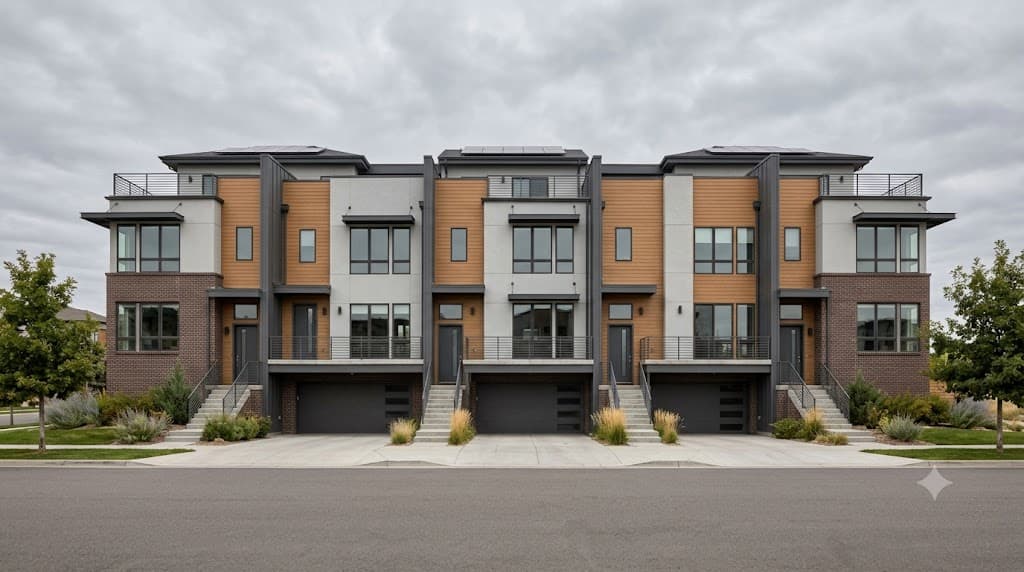
townhomes, new-build contemporary, and condo living around the shopping district
Denver’s polished address — walkable retail, restaurants, the creek path
The buy here: You are bidding against professionals and downsizers with clean files and little patience for drama, and much of the inventory carries an HOA — which means the documents and the insurability get read before the offer goes in, not after. Wins here come from certainty and terms; escalation theater does not impress this seller.
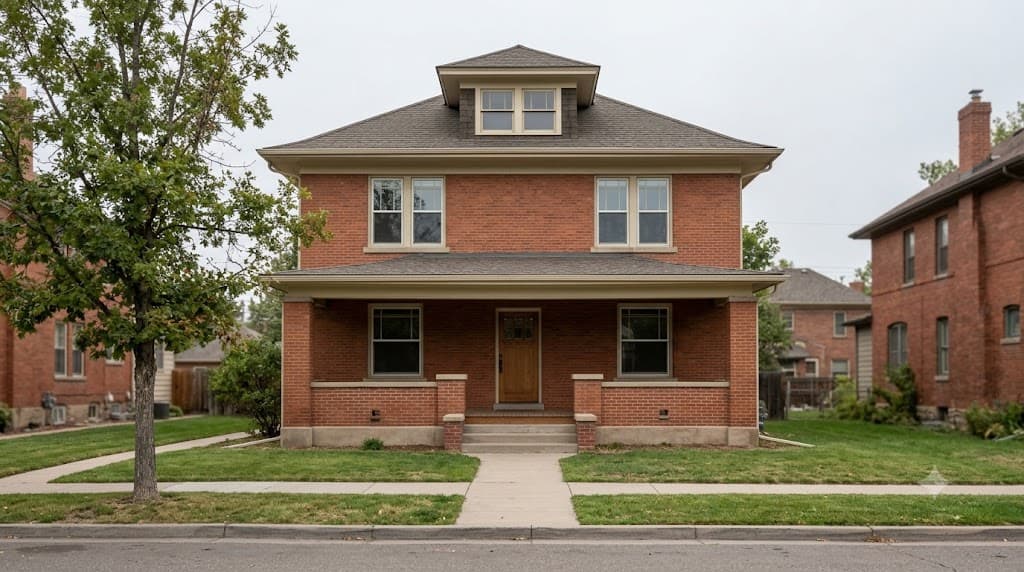
classic Denver squares, bungalows, and grand renovations facing the park
the park is the front yard — runners at dawn, volleyball by noon
The buy here: Wash Park sellers rarely need to sell, and homes here get held for decades — so listings carry emotion and the winning offer is the one the other side believes will reach signing day without turbulence. The squares and bungalows are era stock: sewer scope, foundation eyes, and a roof read are part of the purchase, and a buyer whose inspection plan doesn’t spook the seller has a real edge.
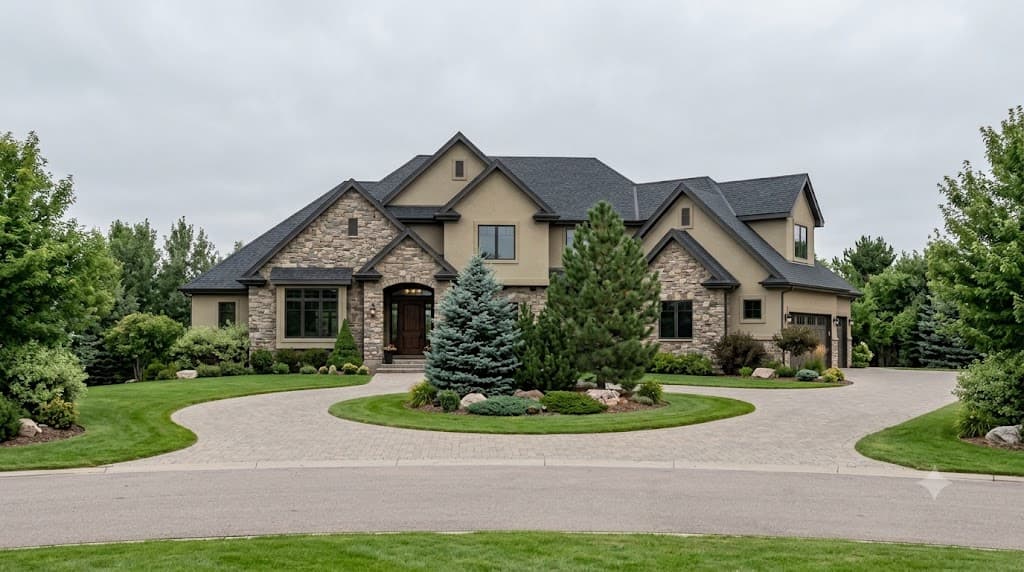
Denver’s stateliest historic homes on quiet, mature streets
old trees, old money, architecture that gets photographed
The buy here: Inventory is scarce enough that the right house may never make a portal, and the sellers value discretion as much as price. The historic fabric wants specialist eyes at inspection and an insurance conversation early, and the offer that wins is quiet, verified, and clean — this is the one market where restraint is a strategy.
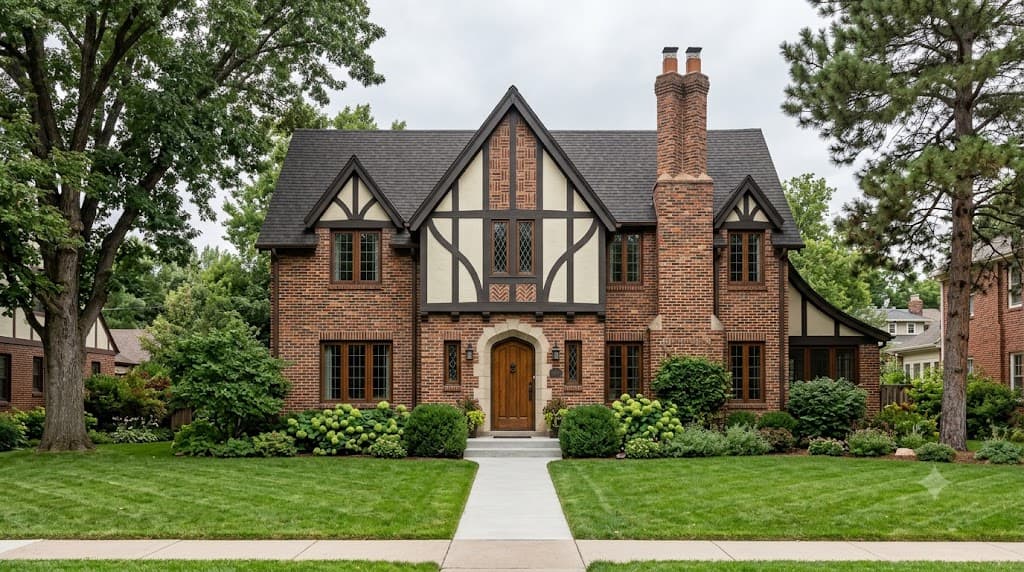
substantial brick homes and thoughtful rebuilds on wide lots
established, quiet, unhurried — a neighborhood that feels finished
The buy here: Your competition is move-up families trading for space and settled streets, usually with strong files of their own. The mid-century stock keeps its secrets in the big systems — sewer lines, panels, roofs in hail country — so the winning play is an underwritten offer paired with an inspection approach that protects you without insulting a house the seller believes is finished.
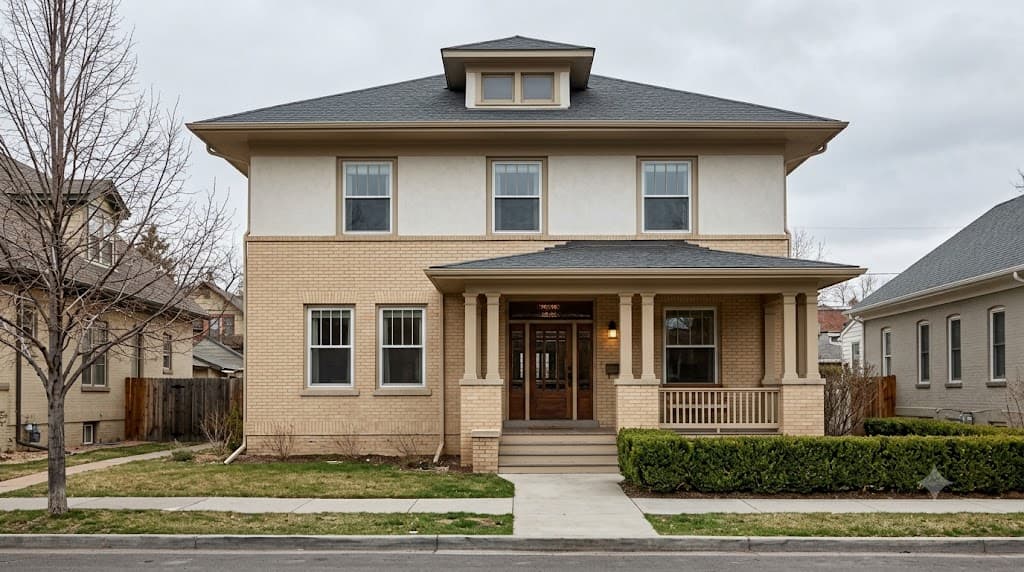
stately homes and scholarly blocks around the university
leafy, calm, and quietly one of Denver’s strongest addresses
The buy here: The DU orbit shapes this market — faculty and families on the quiet blocks, investor pressure at the campus edges, and the best houses often moving on neighborhood word of mouth before the photos are taken. Era homes want era eyes, and verified financing with flexible dates is what turns a private conversation into your contract.
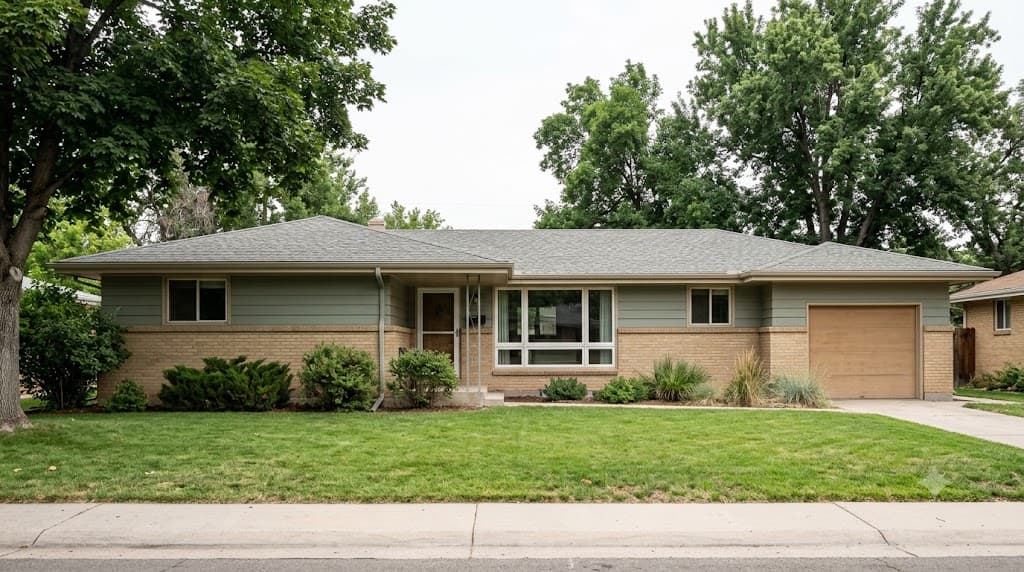
ranches, Tudors, and full-scale rebuilds between Wash Park and Cherry Creek
low-profile luxury — locals know, tourists do not
The buy here: Low-profile luxury means sellers who value privacy and houses that vary so much block to block that citywide comps will lie to you — the price has to be built from the street, not the ZIP. Come with underwriting done and contingencies clean; this seller chooses the buyer who feels like a safe pair of hands.
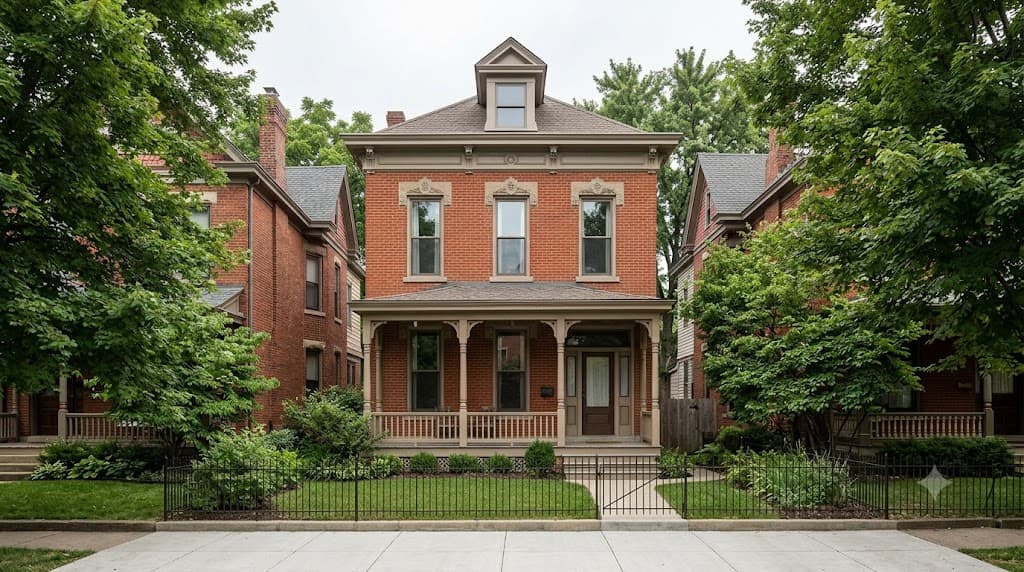
Victorians and modern infill shoulder to shoulder
restaurant-dense, energetic, city views from the right rooftops
The buy here: This is the fastest company on the list — young professionals with strong files and short timelines, competing for both new townhomes and streetcar-era originals that are two completely different purchases at inspection. Speed and certainty decide outcomes here, which is why pre-underwriting before the first tour is not preparation — it is the entry fee.
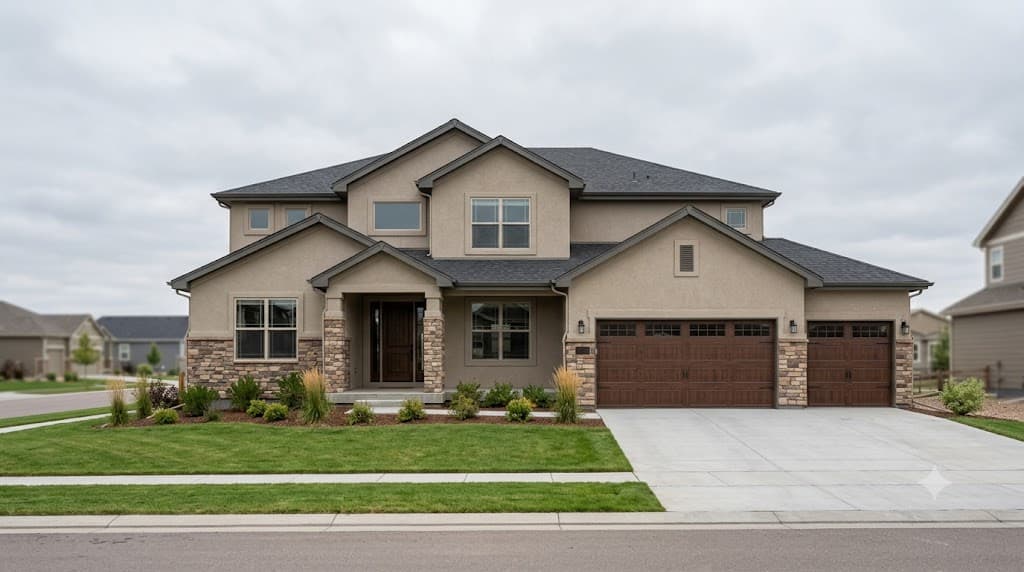
renovated mid-century, new townhomes, and lake-view builds
the lake sets the rhythm — paddleboards, the loop path, mountain sunsets
The buy here: The west-facing lake blocks move on sight, and the mix of new builds and older frames means insurance and inspection change street to street. Buyers who tour ready — financing structured, insurance quoted, dates set — sign; buyers who tour curious watch someone else move in.
Market Snapshot
Denver, CO
Denver lives outside. The joke is that the city empties into the mountains every weekend, but the truth is more interesting — the parks, from Wash Park’s loop to City Park at Park Hill’s doorstep, the bike network, and sun that shows up most days of the year mean the neighborhood you choose is really a decision about how you will spend your evenings.
Work here runs broader than the postcard suggests: aerospace and defense along the tech corridors, the hospital systems, a deep startup bench, and everything the airport economy touches. Commutes are car-first but not car-only — the light rail lines and the bike lattice genuinely change which neighborhoods fit which jobs.
Schools are a neighborhood-by-neighborhood conversation. Denver Public Schools runs on choice enrollment — where you live shapes your defaults but does not lock your options — and several bordering districts pull buyers across city lines on purpose. We walk through the school layer with every family, because the right answer is specific to yours.
Moving to Denver from out of state? You are in the most common client file we run. The pattern that works: assemble the team before the plane lands — financing structured, showings scheduled, insurance quoted — so your scouting trip is a buying trip. High altitude, low humidity, and hail season are real; so is the reason everyone keeps coming.
Mistake 01
Denver’s competitive blocks still move fast, but reflex-escalating on every listing is how buyers overpay for the wrong house. The market rewards precision now — knowing which homes justify aggression and which reward patience. That judgment is the whole value of local representation.
Mistake 02
Denver’s most beloved neighborhoods sit on housing stock from another era, and what makes those homes charming also makes them expensive to misjudge — original plumbing, aging roofs in hail country, wiring from a different rulebook. There are ways to write a winning offer that keep your inspection protection. We use them.
Mistake 03
The new-build corridors come with district obligations that change the real monthly cost of an attractive sticker price. Buyers who compare only list prices compare the wrong numbers. We read the district before you fall for the model home.
Mistake 04
Front Range hail has repriced coverage across the metro, and insurability now belongs in the buying decision, not the final week. We quote it while you shop the block, not after the appraisal.
Mistake 05
The maximum a system prints and the payment a life can carry are different numbers everywhere — but Denver’s price pressure makes confusing them expensive. The ceiling you believe in beats the maximum on paper. Every time.
Mistake 06
Denver’s most-loved neighborhoods were built when the streetcar ran, and so were their sewer lines. A general inspection can pass a house whose line under the yard is one root season from failing — and that repair lands on whoever owns the home when it goes. On the older blocks we scope the line before you commit, because the cheapest time to find out is before signing day, and the most expensive time is after.
The whole path, in the order that wins here — from the first number to the years after the keys.
Most Denver buyers run the order backwards: showings first, lender when an offer is due, budget whenever the approval letter says so. Denver punishes that order. By the time the right house appears, the prepared buyer next to you has already been through underwriting, already knows their ceiling, and already has an offer the listing agent can verify instead of hope about.
We flip the sequence. Real pre-underwriting first — documents reviewed, file committed, not a letter printed from a questionnaire. Then the ceiling conversation: not the maximum the system allows, the payment your life actually carries. Only then do showings start, and they start calmer, because every home on the list is one you could win and afford.
Denver is not one market. The historic blocks, the new-build corridors past the airport, and the condo core downtown are three different purchases wearing one city’s name — different competition styles, different inspection profiles, different monthly-cost rhythms. A bungalow street rewards patience and era-literate eyes. A new-build corridor rewards reading the metro district before the model home reads you. The condo core rewards understanding what the HOA actually covers, and what it will ask of you later.
Choosing the market is the real decision; the house follows from it. This is where a strategy conversation earns its keep — matching how you live and what you can carry to the Denver that fits, before a single showing gets scheduled.
On a competitive Denver block, the winning offer is rarely the biggest number. It is the one the other side believes will reach signing day without drama. Listing agents read financing certainty the way you read a poker face — a verified, underwritten file carries weight a pre-qualification letter never will, and dates that match the lender’s actual calendar signal an offer that closes on schedule.
Because the person writing your offer here also underwrote your financing, every term in it is one we can defend on a phone call — and that phone call happens. That is the quiet advantage: an offer built from the loan file up, presented by someone who can answer the listing agent’s hardest question on the spot.
Under contract is where Denver purchases wobble — inspection, appraisal, insurance, and district homework all land inside a few short weeks, and with three separate professionals they arrive in the wrong order or twice. One person sequencing all of it changes the experience: the inspection gets era-specific eyes (roofs in hail country, original plumbing, the sewer scope on older blocks), insurance gets quoted while there is still time to negotiate what it finds, and the appraisal is managed by the person who structured the loan it protects.
The goal is simple: no surprise arrives twice, and no deadline meets an unprepared file.
Keys are the start, not the finish. Your rate structure deserves a review whenever the market moves, your insurance deserves a re-shop before every renewal in hail country, and the equity you build deserves a plan — because in this city it builds into something worth planning around.
Buyers who work with a separate agent, lender, and insurance office start those years with three strangers holding pieces of their file. You start them with one person who already knows the whole thing — and that relationship is the actual product here. The purchase was just the first use of it.
Seven things buyers believe that quietly cost them — worth clearing before your first offer.

Every lender requires active homeowners insurance before your loan can fund — and Denver sits in serious hail territory, which swings premiums hard from one carrier to the next.
30+ carriers compared
Colorado hail & wildfire expertise
Quoted alongside your loan
One conversation about where you want to live and when. You leave with an action plan — and one licensed person accountable for all of it, start to signing day.
Denver loan rates and terms change daily. Every figure on this page is an estimate until your file is underwritten.
Denver home purchases, loan and offer, handled by Bobby Friel, licensed mortgage broker (NMLS# 332039, Friel-Good Mortgage, Inc. NMLS# 1901977) and licensed real estate broker, based in Edwards and serving homeowners and buyers across Colorado. Insurance through our insurance partner. 42 five-star Google reviews. (720) 799-2202 · info@cohomeequity.com.
Bobby Friel · NMLS# 332039 · Friel-Good Mortgage, Inc. · NMLS# 1901977 · Edwards, Colorado