01How to actually sell a home in Eagle-Vail
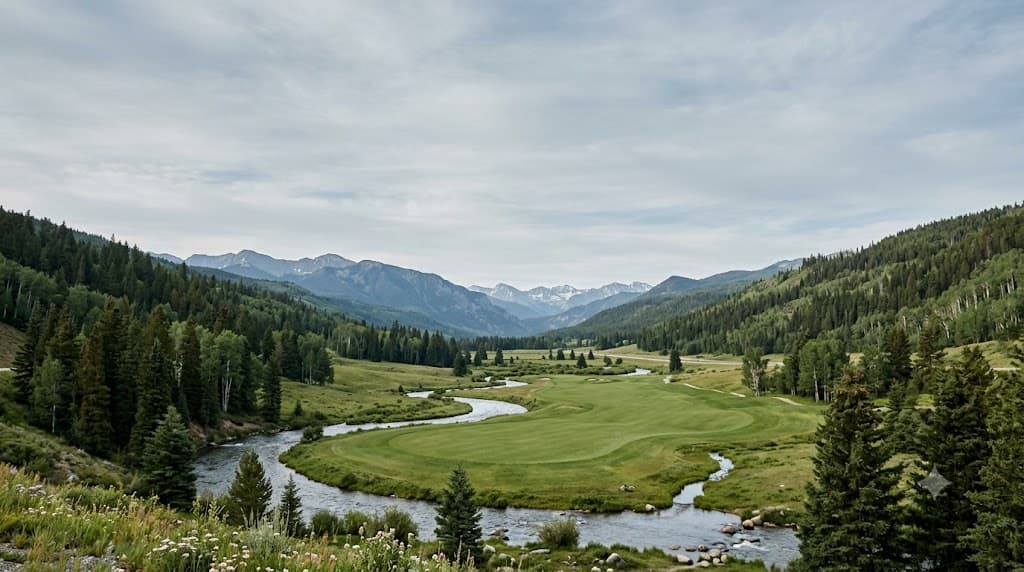
Eagle-Vail is the valley's great piece of common sense — a planned community from the early 1970s built around a golf course on an old ranch, sitting squarely between Vail and Avon and belonging to neither. No resort branding, no incorporated town hall: just a metro district and a property owners association running a golf club, a pool, a pavilion, and a trail network that residents own collectively. Selling here means understanding that pragmatism is the brand. The buyers touring Eagle-Vail are the valley's most clear-eyed shoppers — locals stepping up, families stretching in, investors reading rent rolls — and they respond to listings built the way this community was built: plainly, functionally, and priced for what things actually are. I live and work here in the valley, I hold both the real estate and the mortgage licenses, and Eagle-Vail sales reward exactly that combination: local judgment on the pricing, lender's eyes on every offer, and one person running the whole trade.
02One community, candidly mapped: what Eagle-Vail has instead of neighborhoods
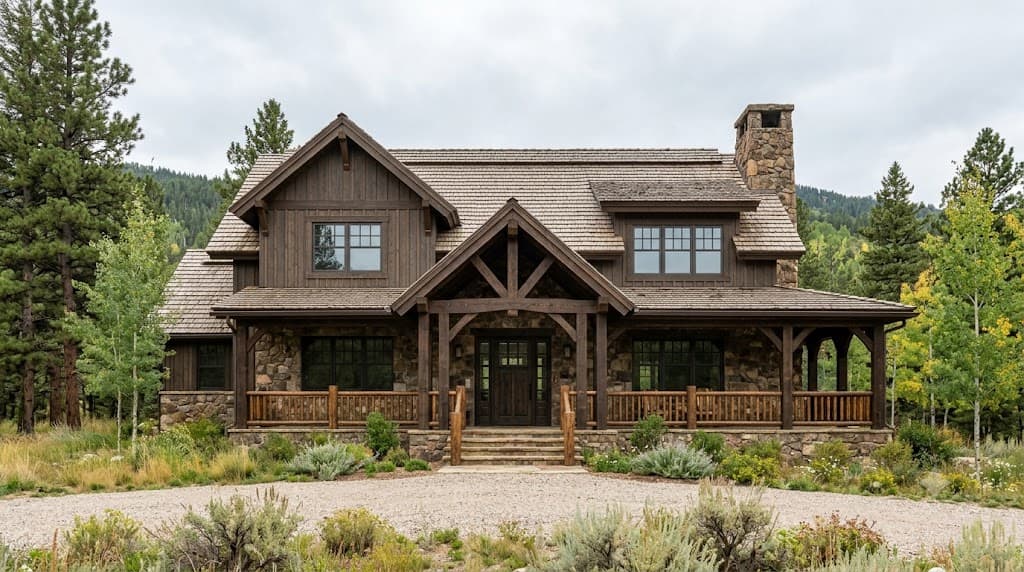
Here's a truth most listings dodge: Eagle-Vail doesn't really have named neighborhoods in the way a city does — a few small platted HOA pockets carry their own names, but none function as the buyer-facing area identity that Whiskey Hill does. It has one community with distinct terrains — the fairway corridor along the golf course, the view hillside locals call Whiskey Hill, the forest-edge bench along Deer Boulevard, the townhome cluster at the amenity core, the riverfront condos on the Highway 6 side — and pretending otherwise reads as marketing costume to buyers who know better. I map it the way residents actually experience it, because the terrains genuinely sell differently: fairway frontage trades on the course and the light, the hillside trades on views and remodel potential, the valley floor trades on the river and the bus line. Placing your property truthfully within that map — and pricing against its terrain-mates rather than the community average — is the first act of candor in an Eagle-Vail listing, and buyers here reward it faster than anywhere else in the valley.
03The duplex capital of the valley: selling half a building well
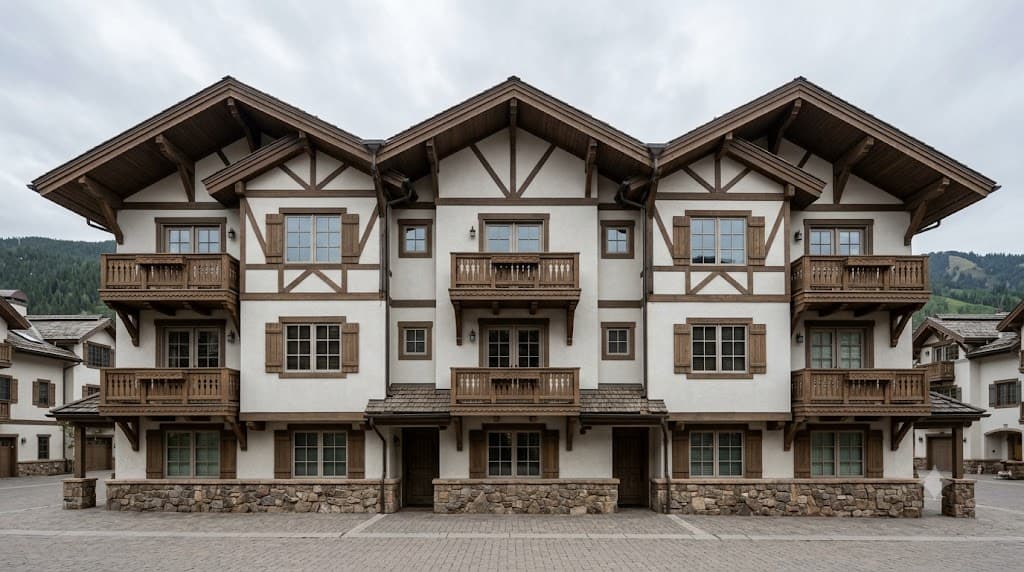
No housing form defines Eagle-Vail like the duplex — the community is famously thick with them, and selling one side is its own craft. The buyer acquires a shared structure and a standing relationship: one roof, one driveway apron, often one insurance conversation, all split with a neighbor they haven't met. The sale that goes smoothly is the one where the wall's paperwork precedes the wall's questions — how the sides share maintenance, what's been agreed historically, what the party-wall understanding actually says. Then comes targeting, because duplex sides here draw two different pools: owner-occupants buying their foothold in the valley, and investors buying the rent math. They tour differently, offer differently, and finance differently — and holding the mortgage license, I read that financing reality before we pick which pool the pricing courts. Sellers who market a duplex side like a detached home leave one of those pools untapped. Sellers who work both, deliberately, routinely find the competition a detached home would envy.
04The metro district is the amenity: telling Eagle-Vail's ownership story
Most communities rent their lifestyle from whoever happens to own the nearby golf course. Eagle-Vail owns its own: the golf club, the par-three course, the pool, the pavilion on its pond, the courts, and the trail network all belong to the community through its metro district — a structure outside buyers have usually never encountered and often initially misread as just another tax line. That misreading is the seller's to prevent, because told correctly this is one of the strongest value stories in the valley: your buyer isn't paying fees to use someone's amenities, they're buying an ownership stake in their own. My listings present the district the way a good annual report would — what the community owns, how it's governed by elected neighbors, what belonging costs and delivers — so by the time a buyer writes an offer, the district reads as the moat it is. In a valley of gates and guest passes, collective ownership is Eagle-Vail's quiet flex.
05Investor math and family math: the 2024 conversation, Eagle-Vail edition
The 2024 commission changes gave every seller a decision about the buyer's-agent side, and Eagle-Vail's version of that decision has a structure most markets lack: your buyer pool splits between owner-occupants and investors, and the two run on different math. The family stretching into the valley leans hard on their agent — for reassurance, for process, for the stamina a competitive purchase demands — and structures that support that side keep every valley agent eager to bring them. The investor often arrives more self-directed, spreadsheet first, agent second, and responds less to compensation signals than to clean numbers and rentable facts. Which pool your specific property naturally courts — the family-magnet duplex side near the school, the investor-magnet riverfront condo — should shape the choice before you endorse the listing agreement. I model both scenarios with projections for your actual sale, because in a two-math market, a one-size decision quietly picks a pool without asking you.
06Original, remodeled, or in between: pricing the community's great divide
Walk any Eagle-Vail street and you'll see the community's whole architectural argument: an original-era duplex side, weathered and proud, standing beside its twin reborn in glass and steel. That divide is the central pricing question here. Original stock draws a real and hungry pool — renovators and value buyers who understand that the lot, the light, and the location are the unrepeatable parts — but only when it's priced as what it is rather than discounted apologetically or inflated by association with its remodeled neighbor. Transformed homes command their premium only when the work is documented like an asset: permits, systems, dates, warranties. And the half-updated home — new kitchen, old everything else — is the hardest sell on the street unless its story is told with unusual candor. Before we price, I place your home squarely on that spectrum and aim it at the pool that wants exactly that position. The divide isn't a problem. Mispricing your side of it is.
07The sensible middle, cashed out right: your equity's next move
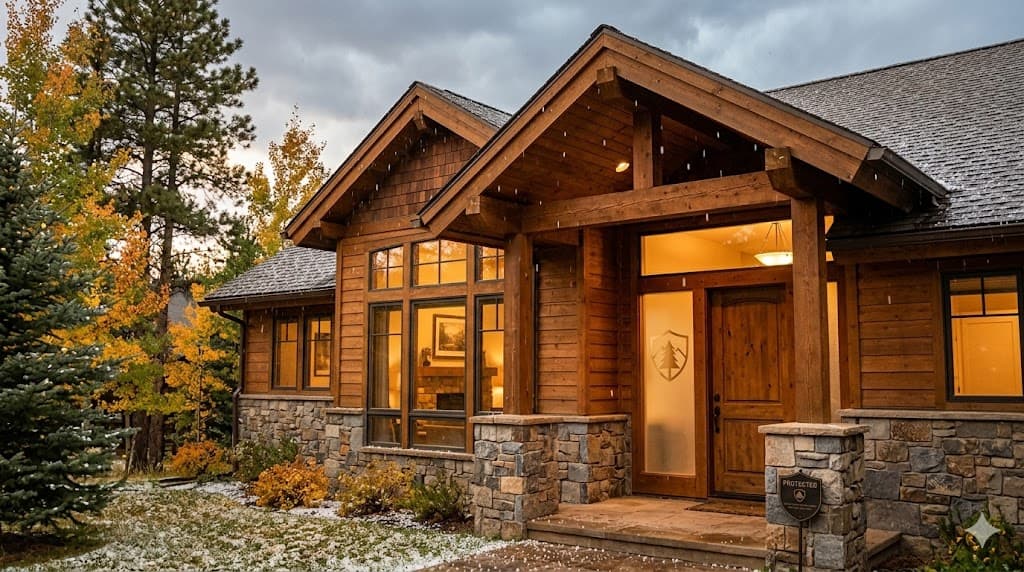
Eagle-Vail's founding bargain — the attainable community between the famous ones — has quietly made its longtime owners wealthy in the way that matters most: real equity in a real place people permanently want. Nearly every seller I meet here is deciding what that equity does next. Up the hill to the view home. Down the valley to Eagle or Gypsum where the same proceeds buy land and sunshine. Out of the valley entirely, funding a next chapter somewhere new. Every version is a sale lashed to a purchase, and the lashing is where valley moves fail — because the rental market offers no soft place to wait, and because agents and lenders at separate companies discover each other's timelines too late. My practice removes the discovery: one person prices the sale, projects the proceeds, structures the next loan against them, and holds both calendars. The sensible community deserves a sensible exit — engineered, sequenced, and complete. That's the whole service, and Eagle-Vail is where it works hardest.
08Between two famous mountains: turning geography into offers
Eagle-Vail's location reads like a riddle until you price it: minutes from Beaver Creek's entrance in one direction, a straight shot to Vail in the other, and the community's own winter shuttle and the valley bus line stitching both together. For the skiing buyer, that's a proposition no resort address can match on value — two world-class mountains treated as home hills, without belonging to either one's fee structure. For the working buyer, it's the commute answer: jobs up-valley and down are equally reachable, which is why this community has always held the valley's workforce so well. The listing's job is to convert that geography into arithmetic a buyer can feel — the actual morning drive to each mountain, the shuttle stop's distance from the door, what a powder-day logistics plan looks like from your street. Buyers touring Eagle-Vail already suspect the location is the bargain of the valley. A listing that proves it, in minutes and route names, turns suspicion into an offer.