
Reverse Mortgage and Heirs: What Colorado Families Actually Inherit
The most common reason Colorado homeowners give for not wanting a reverse mortgage is this: "I want to leave something for my kids." I hear it in almost every first conversation. And I understand it — that impulse is real and it deserves a real answer, not a dismissal.
Here's the thing. A reverse mortgage does not mean your children inherit nothing. In most cases, it means they inherit the home — and depending on how much it appreciates and how the loan is structured, they can still inherit substantial equity. Let me show you exactly how this works.
I'm Bobby Friel, a Colorado mortgage broker and licensed real estate agent. I work with families across the state on this question, and the math is almost always more favorable than people expect when they first walk in.
What Heirs Actually Receive
When a reverse mortgage borrower passes away, heirs inherit the home — not a free-and-clear home, but the home itself, with the reverse mortgage balance attached. They then have options. Our home equity calculator can help you model projected equity at different points in the future.
Heirs typically have 6–12 months to decide. They can sell the home, use the proceeds to pay off the reverse mortgage balance, and keep whatever remains. They can also refinance into a conventional mortgage to pay off the reverse balance and keep the home. Or they can walk away entirely — and this is where non-recourse protection matters most.
If the loan balance exceeds what the home sells for, heirs owe nothing. Zero. The lender absorbs the difference. Heirs are never personally liable for a reverse mortgage shortfall, and they will never receive a collection call for a balance they didn't create.
Non-Recourse: The Guarantee That Changes the Conversation
Look. This is the part of the contract that most families don't fully read — and it's the most protective clause in the document. A HECM reverse mortgage is a non-recourse loan, guaranteed by FHA. The lender's recovery is limited to the home's value at the time of sale. Your children's savings, retirement accounts, and other assets are completely outside the lender's reach.
This protection was designed specifically because reverse mortgages are long-term loans. A homeowner who takes one at 65 might live to 92. Over 27 years, the balance grows. Non-recourse makes sure that longevity doesn't turn into a financial burden for the next generation.
On jumbo reverse mortgages — available for Colorado homes above roughly $1.2M — non-recourse protection is written into the loan terms as well, even without FHA backing. The protection is universal to the product.
Estate Planning Strategies That Preserve Equity for Heirs
If preserving maximum inheritance is a priority alongside your own financial security, there are strategies that address both. The Colorado reverse mortgage line of credit option is one of the most effective.
Unlike a lump sum or monthly draw, the unused line of credit grows at the same rate as the loan's interest rate. On a $200,000 line of credit at a 6.5% effective rate, the available credit grows by roughly $13,000 per year — whether you use it or not. Homeowners who only draw what they need and leave the rest growing are often surprised how much credit remains available 10 years in.
Another approach: use the reverse mortgage to eliminate your current mortgage payment, stop drawing from retirement accounts at unfavorable tax rates, and let those accounts continue compounding. The net estate value — home equity plus retirement savings — often ends up larger than if you'd avoided the reverse mortgage entirely.
Estate Planning Note
If your goal is to leave the home specifically to your children (not just cash), talk with a Colorado estate attorney about how title is held. A reverse mortgage doesn't affect your ability to name heirs or use a living trust — the loan follows the property, not the person. Your attorney and I can coordinate on structure.
A Denver Family's Story: $480K Inherited After a Reverse Mortgage
A Denver couple took a reverse mortgage on their Washington Park home in 2017, when the home was worth $580,000 and they were both in their early 70s. Their children — two adult kids, one in Denver and one in Fort Collins — were initially opposed. "What will be left for us?" was the question on the table.
Here's what actually happened.
The parents used the reverse mortgage to eliminate their existing $1,100/month mortgage payment and set up a line of credit for home repairs and occasional draws. They lived comfortably for seven years without drawing down IRAs to cover monthly bills.
In 2024, both parents had passed. The Washington Park home sold for $820,000 — a number that would have seemed optimistic in 2017, but wasn't surprising given Denver appreciation rates. The reverse mortgage balance at that point was $340,000, which included the original loan, seven years of interest, and MIP.
The heirs received $480,000 after paying off the loan. Split two ways, each child inherited $240,000 from a home their parents had lived in comfortably until the end.
The reverse mortgage didn't cost them their inheritance. It funded seven years of financial security and still delivered $480,000 to the next generation.
— Denver Family, Washington Park CO
What Heirs Need to Do After the Borrower Passes
After the reverse mortgage borrower passes away, the loan servicer typically has a 30-day notification requirement once they're informed of the death. From there, heirs have up to 12 months to resolve the loan — usually through a sale or conventional refinance.
As a licensed Colorado real estate agent, I can work with heirs on the sale directly — whether the property is in Denver or the mountain communities. Our complete Colorado home seller framework walks through the listing-to-close process. It's not complicated, but it goes smoother when someone coordinates the mortgage payoff timeline with the closing date. Heirs don't need to manage that alone.
The process is: estate attorney handles probate, heirs get title, home lists, closes, servicer is paid off at settlement. In a normal Colorado real estate market, this takes 60–90 days from listing to close.
The Conversation Worth Having With Your Kids Now
I'd strongly recommend including your adult children in the reverse mortgage conversation before you apply — not because you need their permission, but because it eliminates the concern and replaces it with understanding. When they see the actual numbers, the non-recourse protection, and what the equity looks like at realistic appreciation rates, the conversation usually changes from "don't do this" to "okay, this makes sense."
I've sat in on those family conversations. They go better with real numbers on the table. And if the next generation is looking to buy, our first-time home buyer guide for Colorado covers loan options that may pair well with a gifted down payment from estate planning.
Frequently Asked Questions
Don't Overpay for Homeowners Insurance
If your adult children will eventually inherit your Colorado home, the state of the homeowners insurance policy at the time of inheritance matters. An outdated or underinsured policy creates problems at closing. Our insurance team reviews coverage and replacement cost annually — a quick check that protects both your home's value and what your heirs ultimately receive.
Get the Full Picture for Your Family
I'll model your home value, loan options, and projected equity at 5, 10, and 15 years so you and your family can make a genuinely informed decision.
Get Your Equity BlueprintStart With the Colorado Reverse Mortgage Guide
Full product breakdown — HECM vs. jumbo, costs, qualifications, and what Colorado homeowners need to know before they apply.
Build Your Buying StrategyBobby Friel
NMLS# 332039 · Colorado Licensed Mortgage Loan Originator
Published May 8, 2026
Keep Reading
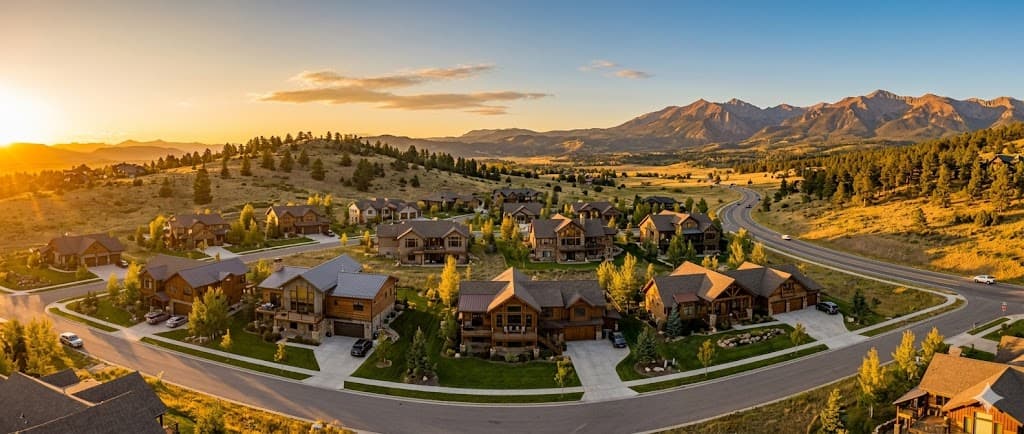
Colorado Reverse Mortgage 2026: The Complete Guide
New $1,249,125 HECM limit, jumbo programs up to $4M for age 55+, and what Colorado mountain homeowners need to know in 2026. Bobby Friel breaks it all down.
Reverse Mortgage No Monthly Payment: How It Actually Works in Colorado
No monthly mortgage payment sounds too good. Here's exactly how Colorado reverse mortgages work — what you still pay, what you don't, and how non-recourse protects you.
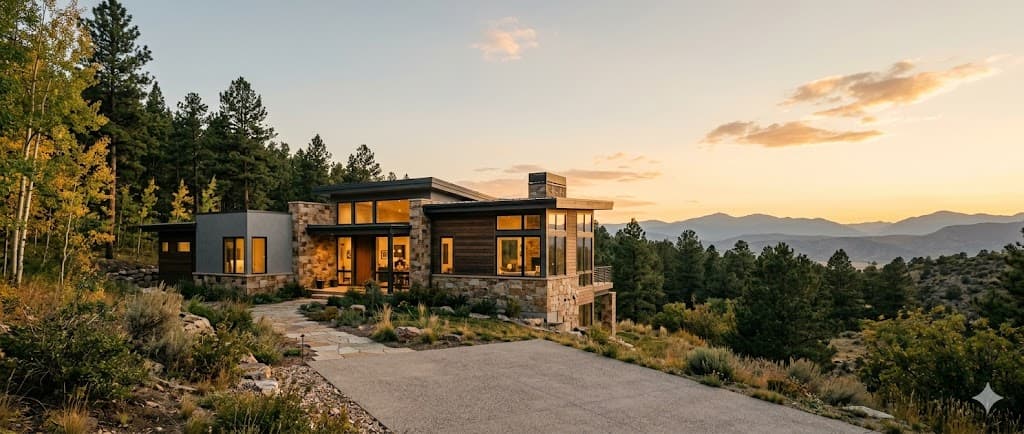
Reverse Mortgage vs. HELOC in Colorado: Which One Actually Fits?
Colorado seniors often ask about HELOCs but end up choosing a reverse mortgage — or vice versa. Here's the real head-to-head comparison from a broker who offers both.

Reverse Mortgage Costs in Colorado: Full Breakdown, No Surprises
HECM origination fees, MIP, closing costs, jumbo alternatives — here's the full cost picture for Colorado reverse mortgages on $750K and $1.5M homes.