Colorado Wildfire Insurance and Your Home Equity
Your HELOC can't close without insurance. And in Colorado's wildfire zones, insurance is the thing that kills deals — not your credit, not your income, not your equity.
I've watched homeowners with $500K+ in equity, 780 credit scores, and six-figure incomes get delayed 3 weeks because their hazard coverage lapsed or didn't meet the lender's requirements. Three weeks of waiting because of a policy they forgot to renew.
The Wildfire-Insurance-Equity Triangle
These three things are connected more tightly than most Colorado homeowners realize.
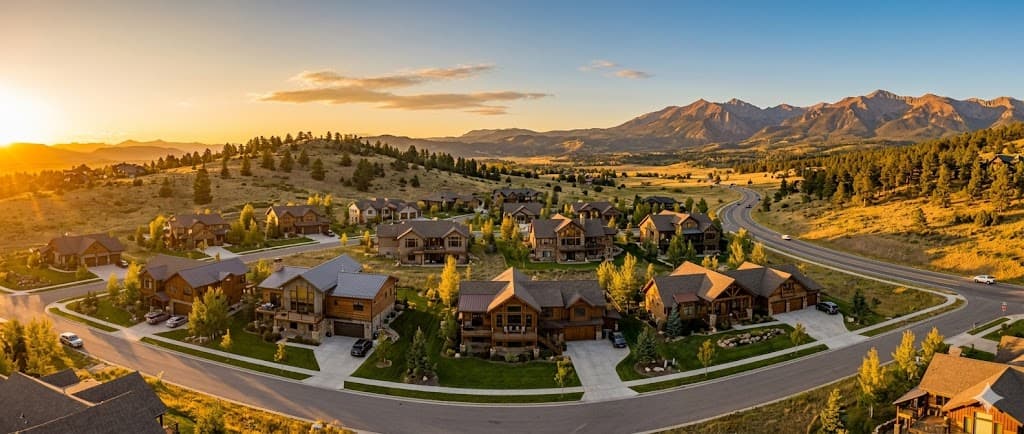
Wildfire risk drives insurance premiums up. Homes in Colorado's Wildland-Urban Interface (WUI) zones — where development meets undeveloped wildland — pay $5,000 to $12,000+ per year for homeowners insurance. Some properties in high-risk areas near Evergreen, Conifer, Black Hawk, and the foothills west of Boulder are seeing $15,000+ annual premiums. That's 3-5x what a Front Range suburban home costs to insure.
Insurance is required for your HELOC. Every HELOC lender requires proof of hazard insurance with 100% replacement cost coverage before funding. No policy, no funding. Lapsed policy, no funding. Policy with inadequate replacement cost, no funding.
Appreciation in fire-prone areas creates equity that's at risk. Mountain and foothill properties have appreciated 30-60% since 2020. That appreciation is real equity — but it's equity tied to a home that could be destroyed without proper coverage. The Marshall Fire in December 2021 destroyed 1,084 homes and caused $2 billion in damages. That equity evaporated overnight for hundreds of families.
What Lenders Require (Non-Negotiable)
When you apply for a Colorado HELOC, your lender will verify:
100% replacement cost coverage. Not market value. Replacement cost — what it would cost to rebuild your home from the ground up at today's construction prices. In mountain areas, replacement cost often exceeds market value because of access, elevation, and material transportation costs.
Active policy with no lapse. If your policy lapsed — even for a week — some lenders require a new policy with a clean effective date. Others want proof of continuous coverage for the prior 12 months. Either way, a lapse means delays.
Named lender on the policy. The HELOC lender must be listed as a loss payee or mortgagee on your insurance policy. This is standard but takes 24-48 hours to process with most carriers.
HELOC + Insurance. We Handle Both.
I coordinate with our insurance team so your coverage is confirmed before closing — no delays, no surprises.
Get Your Equity BlueprintWUI Zones: Where the Risk Lives
Colorado has more homes in the WUI than almost any state in the country. The Front Range foothills, mountain communities, and forested subdivisions are all WUI territory.
High-risk areas include the foothills west of Denver and Boulder (Evergreen, Conifer, Nederland, Gold Hill), mountain resort corridors (Vail Valley, Summit County, Steamboat), southern mountain communities (Durango, Pagosa Springs, Telluride), and the Pikes Peak region west of Colorado Springs (Woodland Park, Manitou Springs).
If your home is in any of these areas, your insurance situation is more complex than a suburban Front Range property. And your HELOC process depends on getting it right.
The $5,000-$12,000 Premium Reality
Front Range suburban homes typically pay $2,500-$4,000/year for homeowners insurance. Mountain and WUI properties pay double or triple that.
I work with homeowners in Evergreen paying $8,000-$10,000/year. Properties near the Marshall Fire zone in Superior and Louisville have seen premiums jump 40-60% since 2022. Some carriers have pulled out of high-risk Colorado ZIP codes entirely, leaving homeowners scrambling for coverage at any price.
And here's the catch: if you can only get one carrier to insure your property, you're paying whatever they charge. No competition means no negotiation.
That's where our insurance team changes the equation. We compare 30+ carriers — including specialty carriers that focus specifically on wildfire-zone properties. Some of these carriers won't show up on a Google search. They're wholesale-only, available through brokers.
The 3-Week Delay That Almost Killed the Closing
Greg owned a 3,200 sq ft home in Evergreen, worth $785,000 with a $310,000 mortgage. He wanted a $150,000 HELOC to fund his daughter's medical school tuition — first payment due in 6 weeks.
Credit score: 760. Income: strong. Equity: massive. The HELOC approval itself took 3 days.
Then we hit the wall. Greg's homeowners insurance had lapsed 4 months earlier. His carrier had non-renewed him — sent a letter he missed in a stack of mail. He'd been uninsured for 4 months without knowing it.
No active hazard policy = no HELOC funding. Period.
Greg called his old carrier. They wouldn't reinstate — once you're non-renewed in a wildfire zone, you're starting over. He called two other carriers. One declined the property outright (too close to tree canopy). The other quoted $11,200/year and needed 2 weeks to bind the policy.
Our insurance team stepped in. They found a specialty carrier that insures wildfire-zone properties — $7,800/year for full replacement cost coverage. Policy bound in 5 business days.
Total delay: 3 weeks from the original funding target. Greg got his HELOC funded 11 days before the first tuition payment was due.
If he'd come to us for insurance first — or if we'd been handling his coverage all along — there would have been zero delay.
— Greg, Evergreen CO
How We Prevent the Insurance Problem
Look. Most HELOC lenders don't check your insurance until the final stage of closing. By then, if there's a problem, you're stuck waiting.
I check insurance coverage early in the process. When you apply through CO Home Equity, I flag potential insurance issues during intake — not at closing. If your policy is lapsed, inadequate, or overpriced, our insurance team gets involved immediately.
We run your HELOC and insurance in parallel. While your equity and income are being verified, our insurance team is confirming your coverage meets lender requirements. By the time the HELOC is ready to fund, the insurance is already in place.
That's the advantage of having mortgage, real estate, and insurance under one roof. No handoffs. No gaps. No 3-week surprises.
Protecting Equity You've Built
If your mountain home appreciated from $500K to $800K since 2020, you've gained $300K in equity. But that equity only exists if the home exists. For homeowners going through a divorce and needing to sell the marital home, wildfire insurance complications can add weeks to an already stressful timeline.
Underinsuring to save on premiums is a gamble with your largest asset. If your policy covers $500K in replacement cost but rebuilding would cost $750K, you're $250K short in a total loss. That's not a premium problem — that's a financial catastrophe.
I tell every client the same thing: the money you save on a cheaper policy means nothing if the coverage isn't there when you need it. Get the right coverage at the best available price. That's what our insurance team does. If you're considering selling your Colorado home instead of accessing equity, wildfire-zone insurance costs are a factor buyers will price into their offer — so knowing your coverage situation matters either way.
WILDFIRE TIP
Check your insurance policy right now. Not next week — now. Confirm three things: (1) it's active with no lapse, (2) replacement cost coverage matches current rebuild costs, and (3) your carrier hasn't sent you a non-renewal letter you missed. If any of those are off, contact our insurance team before applying for a HELOC.
Frequently Asked Questions
Equity + Insurance. One Team. No Gaps.
I'll run your equity numbers while our insurance team confirms your coverage. Everything moves in parallel — no delays.
Start Your Equity AnalysisDon't Overpay for Homeowners Insurance
If you're in a wildfire zone — or anywhere in Colorado — don't wait until your HELOC application to discover an insurance problem. Our insurance team compares 30+ carriers, including specialty wildfire carriers most homeowners don't know exist. Free review, no obligation, and it could save you thousands per year while keeping your HELOC on track.
Bobby Friel
NMLS# 332039 · Colorado Licensed Mortgage Loan Originator
Published May 16, 2026
Keep Reading
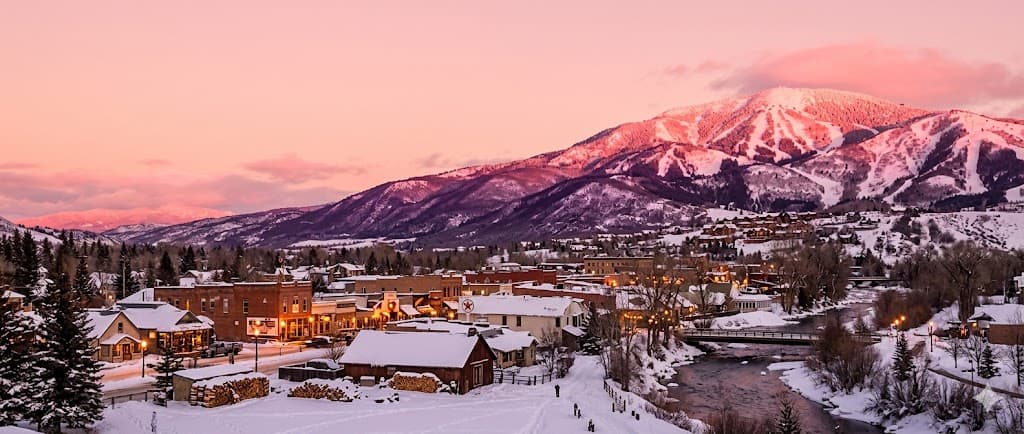
Steamboat Springs HELOC: Unlock Your Mountain Equity
Steamboat Springs homeowners are sitting on massive equity. $1.1M median home value, ranch culture meets resort expansion. Here's how to tap it without refinancing your low rate.
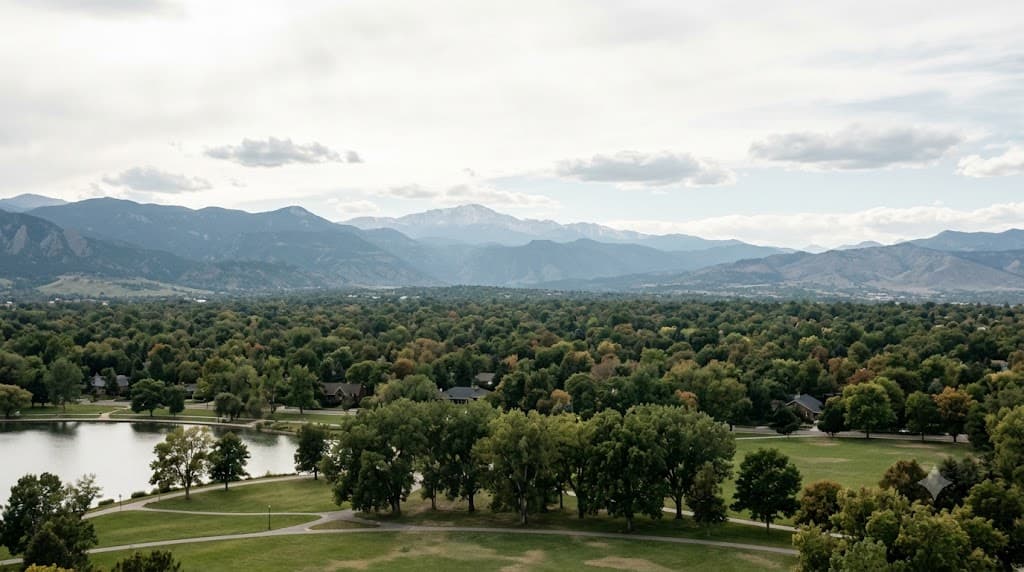
Highlands Ranch & Littleton HELOC
Highlands Ranch and Littleton homeowners: $580K-$650K medians with $300K+ in equity. Access yours in 5 days. See what one HELOC can do.