Most homes in Summit County cannot hold a reverse mortgage. Not because of values, not because of program limits — because of who sleeps in them. Well over half the county's housing belongs to people whose actual lives run somewhere else, and every reverse mortgage ever written, standard or jumbo, requires the home to be the borrower's primary residence. The county's most famous statistic — all those dark windows on a February weeknight — is also its reverse mortgage map.
That flat fact reorganizes everything, and it's why this page reads differently than the industry standard. The eligible audience here isn't the county the magazines photograph. It's the county that plows the magazine's roads: the year-round towns of Silverthorne and Frisco, Dillon's full-time minority, the school-district retirees and shop owners and thirty-winter county employees who bought when wages could buy and held on while the market went vertical around them. They are a minority of the housing stock and nearly all of the eligible market.
For them, the program map runs like this, sourced and current. Silverthorne and Frisco sit comfortably in standard HECM range — condo-weighted typical values well under the federal ceiling, with Frisco's detached homes near Main Street the recurring exceptions. Dillon and Keystone price under the ceiling too; their harder gate is FHA condo review, because resort rental mixes sink buildings routinely, and a full-timer's eligibility can die two floors below an identical ineligible unit. Copper Mountain is the map's far extreme — purpose-built, condo-dominated, and so thoroughly seasonal that occupancy disqualifies most owners before any other question gets asked.
And then there's Blue River — its own incorporated town south of Breckenridge, not a neighborhood of it — where the jumbo question runs closer than anywhere else in the county, and closer than this page pretends to resolve for everyone at once. No condo stock dilutes the numbers: nearly all single-family homes on forest lots. One market index puts the typical home above the federal lending limit; the actual sales on record, thin as they are, run well below it. Two real numbers disagree, so I don't force a community-level call — some Blue River homes clear the federal ceiling, most likely don't, and the appraisal decides which is true of yours. For the owners whose homes do clear it, the jumbo proprietary programs — available from age 55 through my lending network — are a real option: a 58-year-old whose contracting career ended early bridged to Social Security exactly this way, on a house that qualified, without selling a place thirty years in the making.
Ages, precisely, because my license requires it and the marketing around this product rarely bothers: 62 is the standard HECM's federal floor. 55 opens the jumbo proprietary door only — and only where the home's value justifies it. Anyone who tells a Summit County owner that all reverse mortgages start at 55 is wrong about the category — that age belongs to the jumbo proprietary programs alone.
The exclusions run longer here than most places. Second-home owners: not eligible, full stop, though the sequencing conversation — making the mountain place a true primary residence first — is real and worth having properly. Owners planning to sell within a few years: the costs want a longer stay. The seven-months-a-year gray zone: have the occupancy conversation before any application, because that's the one question where a hopeful answer can unravel everything after closing.
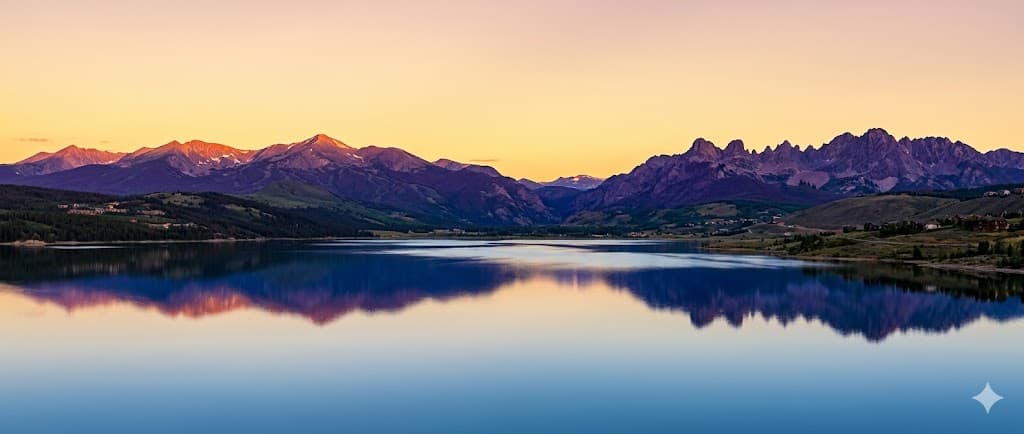
I serve Colorado statewide from my base in Edwards, one pass west of this county, and the model fits Summit's geography exactly: one point of contact, a video call to start, documents and counseling handled remotely, one signing — the same transaction run the same way whether the house watches the reservoir from Dillon or the peaks from Blue River. Five markets, one standard. The dark windows in February aren't my audience. The lit ones are.