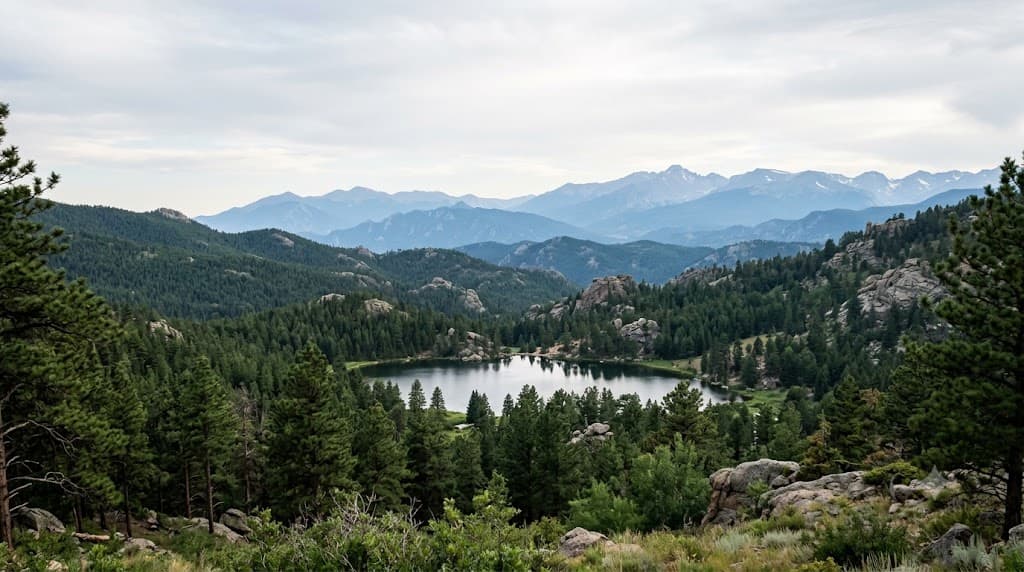
Evergreen is a mountain town by choice — log homes, custom builds, wooded lots up Bear Creek — and the people who live here picked that life on purpose. The misconception that follows them into my office is that their kind of home, unusual construction in a wildfire zone, is something a lender will refuse to work with. In my experience it simply is not true. These properties qualify when they meet the standards and the insurance is kept current; the trick is bringing appraisers who understand mountain homes rather than ones who flinch at anything off the subdivision grid.
The old reputation makes it up the hill to Evergreen too, usually in the form of a warning from someone recalling a reverse mortgage horror story from decades past. That story describes a product the reforms already dismantled — today's version requires counseling, limits what can ever be owed, and protects a spouse who is not on the loan. I find that once a mountain family reads the current rules for themselves, the borrowed fear loses its grip. It is almost always a memory I am correcting, not a fact about the product as it exists now.
Evergreen genuinely runs the range on home values, so the loan-type answer here is not one-size-fits-all, and I will not pretend it is. A great many homes — Downtown, North Evergreen, Marshdale, Hiwan — fit the standard HECM, the FHA-insured reverse mortgage at 62. Up in Upper Bear Creek and among the higher-end custom properties, values frequently cross the federal lending limit, and there a jumbo or proprietary reverse mortgage, the privately underwritten kind that opens at 55, is the right instrument. Where your home sits decides it, not which product carries a bigger number.
Mountain owners know their homes cost money to keep, so this part rarely surprises them. A reverse mortgage is a loan against the property; the balance grows over time instead of shrinking, and the house stands behind it. It removes the monthly mortgage payment and leaves every other cost of a mountain home in place — the taxes, the insurance that wildfire country demands, the well and septic upkeep, the plowing and the maintenance. Anyone who has carried a place at altitude expects that, and I would rather confirm it plainly than let it come as a shock later.
It is usually not until the grown kids are in the room that the weight of this comes out, and I make a point of being there for it. I serve the entire state from Edwards, and I am happy to come up to Evergreen and walk a family through exactly what the house does, because the fear is nearly always about the unknown. Once the children see how the loan resolves and that a slow mountain market can never leave them owing more than the home brings, the unease settles into a plan. That resolution is the part of the work I value most.