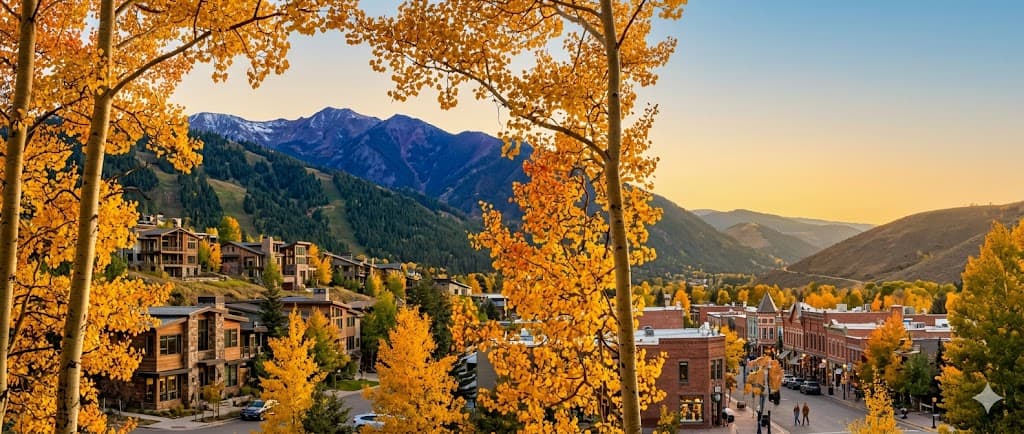
The most expensive misunderstanding I meet in Aspen belongs to homeowners in their late fifties who assume a reverse mortgage is years away. The FHA-insured HECM does require 62. The jumbo proprietary programs open at 55 — and in a market like this one, that gap decides whether someone spends four years waiting on a door that was already open.
She'd called about her Red Mountain home, sitting on equity most Coloradans will never see in a lifetime, and I gave her the answer that applies to the vast majority of the state: standard HECM, age 62, full stop. What I didn't say — because at the time I wasn't thinking about it the way I should have been — is that her home was so far above the federal program's limit that a jumbo proprietary product, available at 55, was actually the more relevant conversation for her specific situation. She waited three years she didn't need to wait.
I bring that up because it's the single most common mistake in how reverse mortgages get talked about in a market like Aspen, and it usually isn't malicious — it's just that most of the industry is built around the standard HECM, because that's what applies to most of the country. Aspen isn't most of the country. Homes in the West End, on Red Mountain, along East Aspen, inside Maroon Creek Club — these routinely clear the standard federal limit by a wide margin, sometimes by many multiples of it, which means the jumbo proprietary programs aren't a niche option here. They're often the only program that actually fits.
That distinction matters for compliance reasons, not just marketing ones. I hold an NMLS license, and I have to be precise: the standard HECM requires age 62, no exceptions. The jumbo programs, run through my lending network rather than FHA, allow qualified borrowers as young as 55. Getting that backwards, the way I did with that Red Mountain homeowner, costs people real time they don't get back.
Ownership in Aspen tells its own story too. The West End still has legacy families in landmarked Victorians who've held on for generations, alongside newer buyers who've paid a premium for the location. Smuggler, historically one of the more modest parts of town, has largely gentrified into jumbo territory as well — though it still has a real exception in some deed-restricted workforce units nearby, which come with a completely different equity picture and, often, restrictions that complicate or rule out a reverse mortgage entirely. Cemetery Lane is about as close as central Aspen gets to an everyday, moderately priced pocket, and even there, "moderate" means something different than it does almost anywhere else in Colorado.
None of this means every Aspen homeowner should pursue a jumbo reverse mortgage, and I want to be straightforward about that. Someone planning to sell within the next year or two is better served by a listing conversation. Someone whose equity, while large, is tied up in a way that a reverse mortgage wouldn't actually improve has other options worth exploring first. I've told Aspen homeowners not to do this when it wasn't the right fit, and I'd rather have that conversation directly than let the size of the number involved do the persuading.
The distinction I spend the most time on here is jumbo at 55 against the FHA-insured HECM at 62, and I raise it early — before a homeowner assumes they're stuck waiting. It's a small detail with a real cost when it gets missed.
I serve Colorado statewide from my base in Edwards, and Aspen is one of the markets where getting the details right matters most, simply because the numbers involved are larger than almost anywhere else in the state. I'd rather walk through your specific home and your specific age than assume the standard answer applies, because in this market, it usually doesn't.