
"I've heard about those. People lose the house." If that's the first thing you thought when someone said reverse mortgage, you're not wrong to think it. Some people did.
I place these loans, and I'm not going to pretend the stories are made up. Reverse mortgage problems are real. Almost all of them come from the same five things.
So before the list, one question. Who's this for? Your own house, or a parent who's already talking about it?
The five read differently depending on whose name would be on the loan.
Do you still pay taxes and insurance with a reverse mortgage?
Yes. Every bill but the mortgage.
A reverse mortgage takes away the monthly mortgage payment while you live there. That's all it takes away. Property taxes, homeowners insurance, HOA dues if you have them, and upkeep on the house stay yours for as long as the loan exists.
Stop paying those and the loan can go into default. Default can end in foreclosure. In Colorado that runs through the county public trustee, the same as any other mortgage.
That's the story behind most of the headlines. And most of the time, the person couldn't cover those bills before the loan either. The reverse mortgage took the mortgage payment away and left the tax bill standing there alone.
The lender now checks this before approving anything. On some files, it sets money aside from the loan to pay the taxes and insurance for you.
So here's the question. If the property tax bill went up again next year, where would that money come from?
Does a reverse mortgage balance keep growing?
Yes. Every month.
You're not making payments, so the interest and the mortgage insurance get added to what you owe. The balance goes up. The equity left in the house goes down. That's how the loan works.
What it means is plain. The longer the loan runs, the less of the house is left for you to sell or for your kids to inherit.
The loan is non-recourse, so nobody ever owes more than the house is worth. But "nobody owes more" and "there's something left" are not the same thing.
If leaving the house to your kids matters to you, that goes on the table first. What are they expecting to get? And do they know that might change?
What happens to a spouse who isn't on the reverse mortgage?
Today, they can usually stay. It used to go the other way.
For years, a younger spouse was sometimes left off the loan to get a bigger number. When the borrower died, the loan came due, and the spouse who was left had no protection. That's where the widow stories come from.
The rules changed. A spouse who isn't on a HECM made today can generally stay in the home after the borrower passes. They have to have been married at signing, named at signing, living there, and keeping up the taxes, insurance, and upkeep.
What they can't do is keep drawing money. The line of credit stops. If the plan was to live on that line, both of you need to hear it before anyone signs.
How long do heirs have after a reverse mortgage borrower dies?
Not long.
When the last borrower passes, the loan comes due. Your heirs inherit the house with the balance against it. They can pay it off and keep the house, sell it and keep what's left, or, if the balance is more than the house is worth, hand it to the lender and owe nothing.
The problem is the clock. The servicer expects to hear the family's plan within about a month. After that, they usually have about six months to pay it off or sell. Extensions are possible. They're not promised.
Families who didn't know the loan existed lose most of that time to grief and paperwork.
The fix is simple and uncomfortable. Sit your kids down now and say what exists. Bring them on the call. I've never seen that conversation make things worse.
Does a reverse mortgage end if you move out?
It can.

The house has to stay your main home. Move out for good and the loan comes due. Be away for more than a year in a row, even in a hospital or a care facility, and it can come due then too.
That surprises people. So let me ask. What's the plan if one of you needs care outside the home in the next few years?
If that's a real chance, we build it into the plan, or we do something else. Selling now, on your timeline, beats selling later on the servicer's.
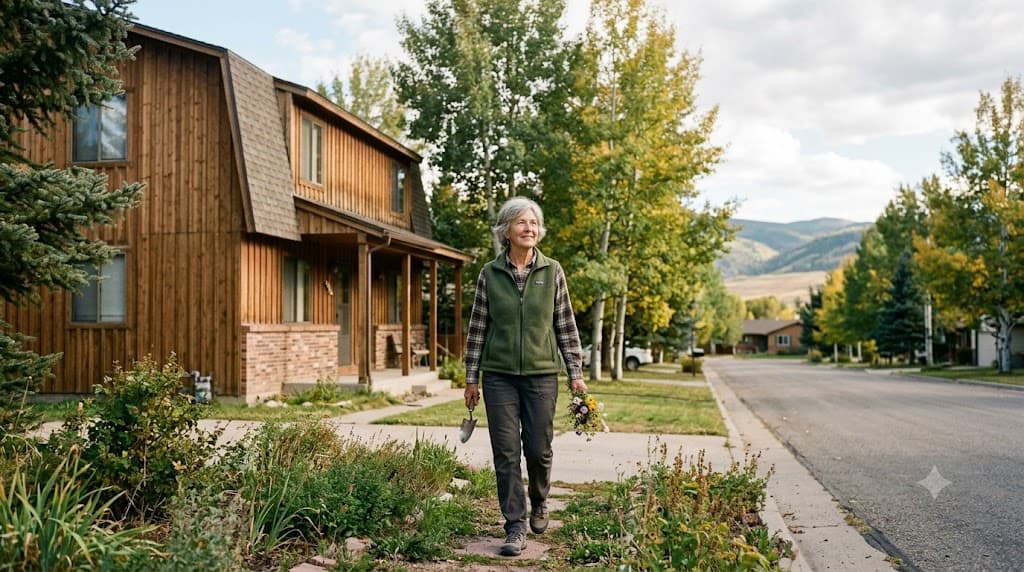
A widow in Lakewood called after a letter from a servicer she'd never heard of. Her husband had taken a HECM years earlier and she was on the loan, so the house was never at risk. But the taxes had gone up, the homeowners insurance had lapsed, and the letter was about the lapse. We got the policy reinstated through our insurance partner, went through what the balance actually was, and talked about whether staying still made sense. It did, for now, with her daughter on the call.
Which reverse mortgage problem are you actually worried about?
There's usually one.
Taxes and insurance. The balance growing. A spouse not on the loan. Your kids and the clock. Moving out. Every one of these can be seen before signing day, if somebody looks.
Every one of these can be seen before signing day, if somebody looks.
So say yours out loud before you apply, not after. That's what the counseling session is for. Federal rules require a session with an independent HUD-approved counselor before a reverse mortgage can go forward. The counselor doesn't work for me or the lender. You book it, you can bring your spouse or your kids, and it comes before the application.
I hold a Colorado mortgage broker license and a Colorado real estate license. If the right answer turns out to be selling instead, I can do that too, and you'll hear it on the first call. How the loan works, and who it fits and doesn't, is on the reverse mortgage page. See the Colorado reverse mortgage page.
So which one is it for you?