
Is a reverse mortgage a good idea? You've probably already heard somebody's answer. "The bank takes the house." "My kids get nothing." "It's a last resort."
Maybe it's you, and you're reading this to confirm the answer is no. That's fair.
My answer is sometimes. I place reverse mortgages and the other ways to use equity in a Colorado home, so I don't need this one to win. Let's take those lines one at a time.
One question first. When you picture the next ten years, are you in this house for all of them?
Does the bank take the house with a reverse mortgage?
No.
You keep the title. The lender holds a lien, the same way your first loan did.
You can stay as long as it's your home and you keep up three things: property taxes, homeowners insurance, and upkeep. Those stay yours for the life of the loan. Let them slip and the loan can default.
That's the real way people lose a house on a reverse mortgage. Not the bank reaching for it. The carrying costs getting away from them. The loan itself comes due when the last borrower sells, moves out for good, or passes away.
So here's the question to sit with. If the taxes and insurance went up again next year, could you still carry them without strain?
Do my kids get nothing if I take a reverse mortgage?
No. Your heirs inherit the house with the loan balance against it.
They can pay off the balance and keep it. Sell it and keep what's left. Or, if the balance is higher than the house is worth, hand it to the lender and owe nothing. That's how the federally insured version is built, not a promise I'm making.
What they don't get is the house free and clear. Interest is added to the balance, so it grows, and there's usually less left for them.
If the plan was always that the kids get the house with no loan on it, say that out loud now. The ones I've watched go sideways started with a family that hadn't talked. The tax side is for your tax advisor.
Have your kids heard what you're thinking about? Or are you reading this first so you have answers when they ask?
Isn't a reverse mortgage a last resort?
Not the way most people use it now.
Most of what people believe about reverse mortgages is twenty years old. Today's standard version, the HECM, is insured by the federal government, and it can't move until you sit with an independent counselor approved by HUD.
Where it fits most often is a paid-off house. You open a line of credit, draw little or nothing, and let it sit. The retirement account stays a retirement account instead of getting drawn down each year. That's the opposite of a last resort. It's set up before you need it.
If there's still a mortgage, the reverse mortgage pays it off. That means no monthly mortgage payment while you live there, and you still pay taxes, insurance, and upkeep. A real change to the month. Not free.
When is a reverse mortgage a bad idea?
When you'll likely move in the next few years. The costs are up front and earn their keep over a long stay. Sell instead. I hold a Colorado real estate license as well as my mortgage license, so if selling is the right answer, I handle that too.
When the taxes and insurance are already hard to cover. This doesn't fix that.
When you need a small amount for a short time. A plain HELOC costs far less to set up.
And when your heirs need the house itself, not its value, and nobody has talked about it.
What does a reverse mortgage actually cost, and what comes first?
Origination, mortgage insurance on a HECM, title, and the usual settlement charges. Then interest on whatever you draw, added to the balance over time. You should see all of it on paper before you decide.

But the order matters more. Counseling comes before the application. The counselor is independent, and I'm not allowed to pick the agency or sit in.
By the strategy call, the value, the balance, and the youngest borrower's age are real, not guesses. If it doesn't hold, you'll hear it from me.
What would you want to see on that sheet before you'd feel okay saying yes?
What's different about a reverse mortgage in Colorado?
Two things.
First, home values. A lot of Colorado houses, and almost all of them in the valley where I live, sit above the federal HECM limit. The jumbo programs exist for that, and they start at fifty-five instead of sixty-two.
Second, reassessments. Plenty of people who call me weren't thinking about this until the new tax bill and the insurance renewal showed up in the same season. The house didn't change. The month did.
Both programs side by side, and who each one fits, are on the Colorado reverse mortgage page.
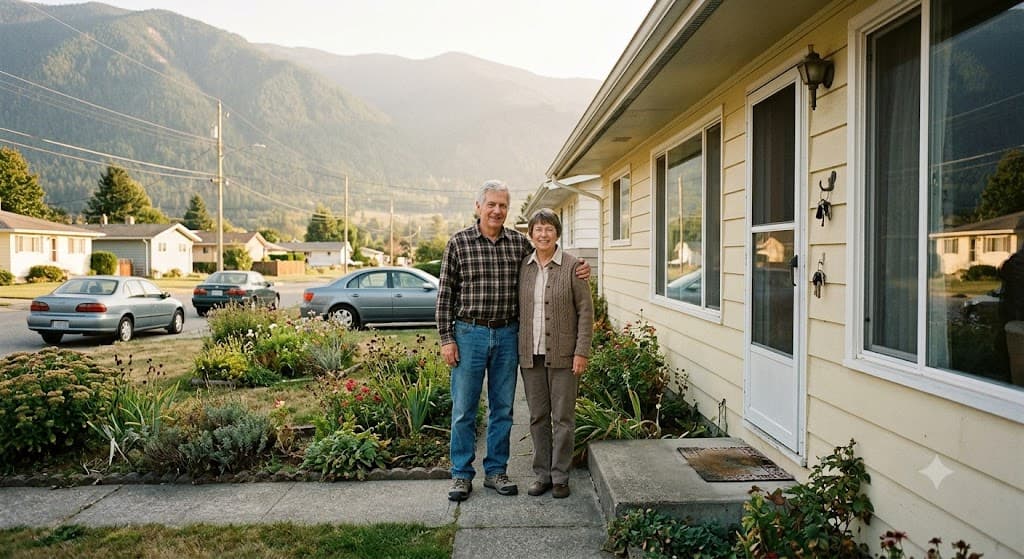
A retired couple in Eagle, house paid off, income fixed. The reassessment landed, then the insurance renewal, and they'd been covering the gap from the retirement account. They expected a pitch and got a question: what do you want this house to do for the next ten years? Stay, they said. They saw a counselor first, then applied, then went through the cost sheet with me. They opened a line of credit they haven't touched. Taxes, insurance, and upkeep stay theirs, and they know it.
So is a reverse mortgage a good idea for you?
That depends less on the loan than on your plan.
The better question is what you want this house to do for you over the next ten years.
The better question is what you want this house to do for you over the next ten years.
Stay put and keep the retirement account whole? Leave it to the kids with no loan on it? Sell and move closer to the grandkids? Only one of those uses a reverse mortgage.
So which one sounds like you? And has anyone asked you that before handing you a brochure?